Ever wake up, rub your face, and think, Okay, whose skin is this? Maybe you run your fingers over your cheeks and feel those little bumpslike, hello, texture! Or you look in the mirror and catch light hitting your skin, and suddenly every pore, scar, and dry patch is putting on a show. If youve ever felt this way, oh friend, youre so not alone.
I get it. Textured skin can make you want to play hide-and-seek with your own reflection. But what if I told you there are actual ways to smooth things outno filters or expensive facials required? If youre curious about the best serums for textured skin, youre in the right spot. Lets have an honest, slightly messy, and totally hopeful chat about what really works (and whats just marketing fluff), so you can get back to glowingno matter what your skin is serving up today.
What Causes Textured Skin? Lets Get Real for a Second
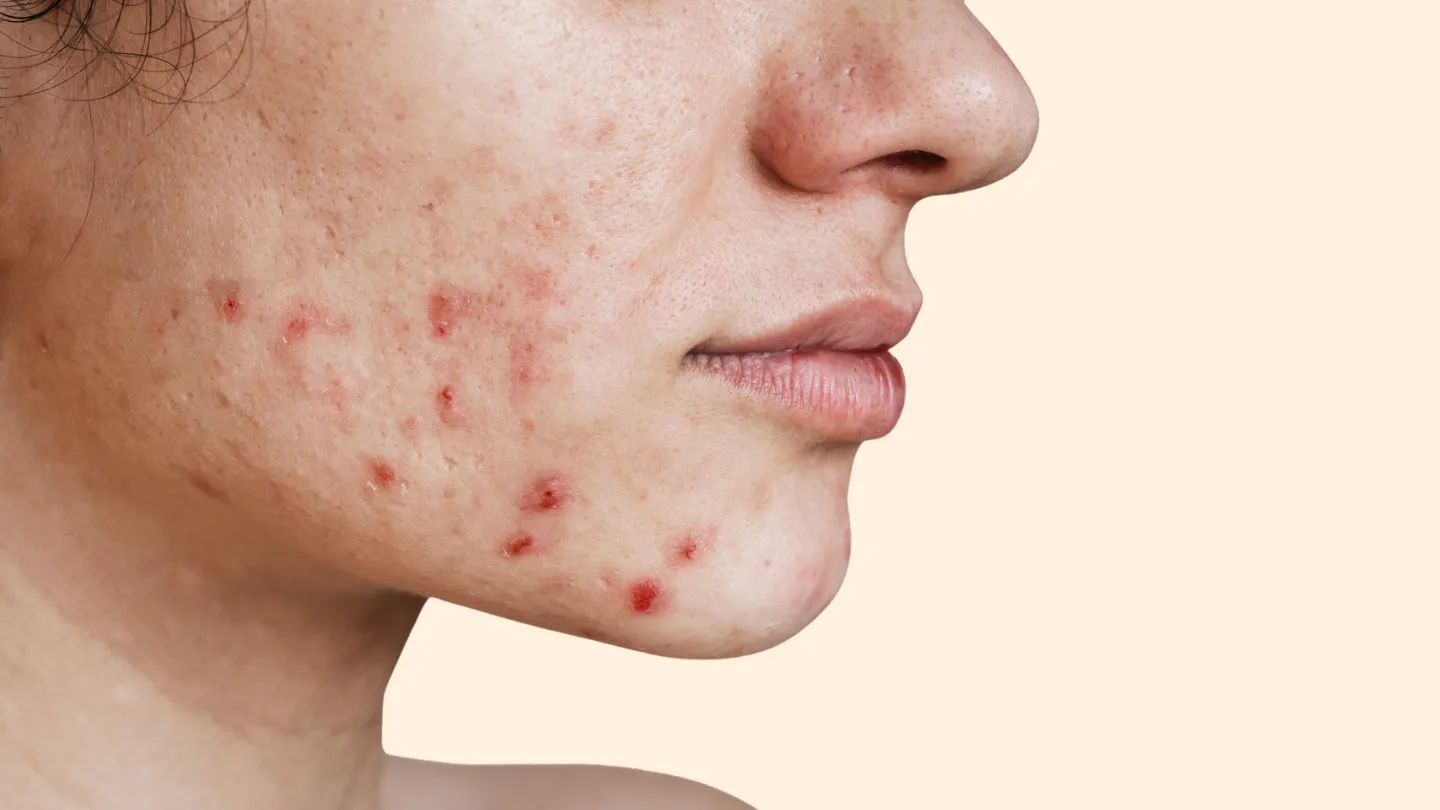
Before we chase solutions, lets talk about the why. Why does skin get bumpy, rough, or uneven? Oh, there are so many reasons. Genetics, hormones, too many late nights, the wrong skincare products, leftover acne scars, dry patches, or just plain old stresssometimes it feels like everything is out to get our skin.
But heres the thing: texture is normal. We all have it, even if Instagram says otherwise. Some of us get it from acne, some from dryness, some from old scars that just wont quit. And honestly? Sometimes its just life. Your skin tells your storyso lets be kind to it, and figure out what it needs (instead of fighting it every day).
Common Triggers for Texture Issues
- Genetics: Yep, blame your parents (just a little).
- Hormones: Fluctuating hormones can make skin act uppuberty, periods, pregnancy, or stress.
- Environment: Pollution, sun, and dry air can rough up your skins surface.
- Lifestyle: Not enough water, too much junk food, lack of sleep, or, lets be honest, forgetting to wash your face.
How Serums Help With Texture
So, why all the buzz about serums? Heres the deal: serums are like the superheroes of skincare. Theyre lightweight, packed with active ingredients, and designed to target specific problems (like uneven skin texture). Think of them as little bottles of magicexcept the magic is science.
But not all serums are created equal. Some are oil-free hydrating serums (perfect for oily or acne-prone skin), others are luxurious oil serums for face (like argan oil serum or rose oil serum for face), and some are loaded with powerhouse ingredients like niacinamide or retinol. The trick is finding the one that makes your skin feel like itselfonly smoother and happier.
Choosing the Best Serums for Textured Skin (Without Losing Your Mind)
Lets get practical. You dont need a 10-step routine or a celebritys monthly skincare budget. You just need a serum that works for you. But with so many options, how do you choose? Lets break it down, friend-to-friend.
Key Ingredients to Look For
- Niacinamide: Great for smoothing texture, shrinking pores, and calming redness. Like a chill friend for your skin.
- Hyaluronic Acid: Think deep hydration without any heavy, greasy feeling. Perfect if you want that plump, bouncy look.
- Retinol: The gold standard for resurfacingfights fine lines, evens texture, and boosts cell turnover. (But go slow! Its strong stuff.)
- Vitamin C: Brightens and fades dark spots left by stubborn acne scars.
- Oil-Free Hydrating Serums: Ideal for oily or acne-prone skin typeshydrates without clogging pores. If breakouts are part of your texture story, these are your besties.
- Oil Serums for Face (Argan, Rose): If your skin is dry and rough, a nourishing oil can soften and smoothbut always patch test first, especially if youre breakout-prone.
How to Read a Serum Label (And Not Lose Your Sanity)
Ever picked up a bottle and felt like you needed a chemistry degree to understand it? Yeah, me too. Heres a quick rule of thumb: the higher up an ingredient is on the list, the more of it is in the product. Watch for words like non-comedogenic (means it wont clog pores), and avoid heavy fragrances or alcohol if your skin is sensitive.
Dont be swayed only by fancy packaging or influencer hype. Focus on the ingredients that matter to your skin. If in doubt, ask a dermatologist, or just start simple and see how your skin feels after a week or two.
Comparing Top Oil-Free Face Serums at Ulta Beauty
Okay, ready for a quick side-by-side? Heres a peek at a few popular picks for textured skin, all available at Ulta Beauty. (Because who doesnt love a beauty aisle wander?)
| Product | Main Ingredient | Skin Type | Best For | User Rating |
|---|---|---|---|---|
| Niacinamide 10% + Zinc 1% | Niacinamide | Oily/Combo | Pores, Redness | 4.5/5 |
| Hydro Boost Hydrating Serum | Hyaluronic Acid | All | Dryness, Fine Lines | 4.6/5 |
| Retinol 0.5% Serum | Retinol | Normal/Combo | Texture, Scars | 4.3/5 |
| Argan Oil Serum | Argan Oil | Dry/Sensitive | Softening, Nourishing | 4.4/5 |
| Rose Oil Serum | Rose Oil | Dry/Normal | Glow, Soothing | 4.2/5 |
These are just a few optionsremember, everyones skin is different! What works for your bestie might not be your holy grail, and thats totally okay. Listen to your skin, not just the reviews.
How to Use Serums for Textured SkinA Simple, No-Nonsense Guide
Lets be honest: skincare shouldnt feel like rocket science. Heres how to work serums into your routine without overthinking it.
Building a Routine That Works
- Cleanse: Start with a gentle cleanserno harsh scrubbing, please!
- Tone (optional): If you like toners, use one that hydrates or calms.
- Apply Serum: A few drops go a long way. Pat (dont rub!) onto clean, slightly damp skin.
- Moisturize: Lock it all in with a lightweight moisturizer.
- Sunscreen (AM only): Never skip this stepserums make skin more sensitive to the sun.
Serums usually go on after cleansing and before moisturizing. If youre layering more than one, go from thinnest to thickest. And dont forgetconsistency is key. Give it a few weeks before you judge the results!
Tips for Sensitive, Oily, or Acne-Prone Skin
If your skin is oily, prone to breakouts, or throws a fit at the drop of a hat, youre not alone. The best serum for oily skin and acne scars is usually one thats oil-free, lightweight, and has calming ingredients like niacinamide. Avoid heavy oils unless you know your skin loves them (sometimes argan oil serum for face or rose oil serum for face can surprise youin a good way!).
Always patch test new products, especially if youre trying something strong like retinol. And if youre ever unsure, a quick chat with a dermatologist can save you weeks of frustration.
Real ExperiencesWhat Actually Works?
Let me get personal for a second. I used to think my skin would always be bumpy and unevenlike those before pics you see in ads. But when I finally found a routine that included a gentle cleanser, a niacinamide serum, and loads of patience, things started to change. It wasnt overnightmore like three months and a few is this even working? moments. But little by little, my skin started to smooth outand, honestly, so did my self-confidence.
Ive heard similar stories from friends, toosome swear by oil-free hydrating serums, others by a touch of rose oil serum for face when their skin feels rough. The point? Everyones journey is different, but theres hope for all of us.
Risks, Precautions, and When to See a Pro (Because Safety First!)
Lets keep it real: not all serums are gentle, and not all ingredients play nice. Some can irritate, cause breakouts, or just not vibe with your skin. Heres how to stay safe and keep your glow-up drama-free:
Potential Side Effects of Serums
- Irritation: Redness, burning, or stinging? Stop right away and rinse with cool water.
- Purging: Some actives (like retinol) can cause breakouts before things get better. Give it a few weeks, but if it gets worse, pause and reassess.
- Breakouts: If a new serum makes you break out, check the ingredientsheavy oils or silicones might be the culprit.
- Allergies: Always patch test on your jawline before going all-in.
When to Consult a Dermatologist
If your texture is severe, painful, or just wont budge, it might be time to call in the pros. Dermatologists can recommend prescription options or advanced treatmentsand sometimes, just hearing youre not alone from an expert can be a relief.
Finding Your Best Serum for Textured SkinLets Wrap This Up
Whew, we covered a lot, didnt we? Heres the bottom line: your skin is uniquely yours, and theres no one-size-fits-all answer. The best serums for textured skin are the ones that fit your storywhether thats a gentle oil-free hydrating serum, a nourishing argan oil serum for face, or a brightening rose oil serum for face. Start simple, listen to your skin, and give yourself grace along the way.
Dont get discouraged if change takes time. Every step you take is you taking care of yourselfand thats the real glow-up. If youve tried something that works (or totally didnt!), share your experience below. Got questions, doubts, or just want to vent about a serum disaster? Im all ears. Were in this togetherheres to smoother days ahead, for you and your skin.
FAQs
What causes textured skin and how can serums help?
Textured skin can be caused by genetics, acne, scars, dryness, or environmental factors. Serums help by delivering concentrated ingredients that smooth, hydrate, and even out the skin’s surface.
Which ingredients should I look for in a serum for textured skin?
The best serums for textured skin often include niacinamide, hyaluronic acid, retinol, and gentle oils like argan or rose. These target roughness, pores, and help restore smoothness.
Are oil-free hydrating serums better for oily or acne-prone skin?
Yes, oil-free hydrating serums are usually lighter and less likely to clog pores, making them a great choice for oily or acne-prone skin types.
How long does it take to see results from serums for textured skin?
Most people notice improvements after 4 to 8 weeks of consistent use. Patience is key, as skin renewal takes time for real, visible changes.
Should I use serums with other skincare products?
Absolutely! Apply serums after cleansing and before moisturizing. Don’t forget sunscreen in the morning, especially when using active ingredients like retinol.
Disclaimer: This article is for informational purposes only and does not constitute medical advice. Always consult with a healthcare professional before starting any new treatment regimen.
Related Coverage

Learn whether ashwagandha can cause acne breakouts due to hormone changes or detox reactions. Discover other acne causes and science-backed treatments....
Does fasting help with acne? Discover the science behind the relationship between fasting and acne, potential benefits, drawbacks, and best practices for incorporating fasting into your skin care routine....

Sulfur offers remarkable benefits for acne, including oil absorption, antimicrobial properties, and exfoliation. Discover its advantages for clear skin....

Discover the power of natural oils to diminish acne scars. Explore the best oils for acne scarring, including rosehip seed, jojoba, argan, and tamanu, to promote healing and rejuvenate your skin....
Clogged pores leading to small bumps are a common skin complaint. Excess oil, dead skin cells and makeup can cause congested pores. Using BHAs, retinoids and masks can clear them....
Achieve clear, healthy skin with the Proactiv Quick Start Guide. Learn how this simple 3-step system targets acne, improves texture, and balances your skin for a radiant complexion....
Discover the top-rated oil-free moisturizers for acne-prone skin. Learn tips for choosing non-comedogenic hydrators and applying them properly....

Keratosis pilaris bumps may be tempting to pop but can lead to scarring, infection, and more inflammation. Here's how to safely treat KP bumps....

Butt acne scars often leave behind dark spots, redness and uneven texture. Preventing blemishes can limit damage. Using OTC creams, chemical peels and microneedling may help reduce the appearance of scarring over time....

Skin popping refers to self-harm by intentionally damaging one's skin for photos shared online. This behavior is driven by trauma, mental illness and the quest for connection....