Frequently Asked Questions
Are McDonald's beef patties 100% beef?
Yes, McDonald's claims their beef patties are made from 100% pure beef with no fillers, extenders or preservatives added. The patties are made from forequarter and brisket trimmings of grain-fed cattle.
Are McDonald's burger patties cooked in butter?
No, McDonald's burger patties are not cooked in butter. They are grilled on a flat iron grill which adds flavor from the caramelized meat juices. No additional butter, oil or fat is added in the cooking process.
What is the healthiest burger option at McDonald's?
Some of the healthier McDonald's burger options include the hamburger, which is the smallest patty, or the grilled chicken sandwich. Avoid cheese and creamy sauces and load up on veggie toppings to make your burger healthier.
FAQs
What jobs have the highest depression rates?
Some occupations with higher rates of depression include lawyers, nurses, teachers, paramedics, social workers, and retail workers. High stress, emotional exhaustion, and lack of autonomy can contribute to depression.
Do depressive symptoms affect job performance?
Yes, depression can negatively impact job performance by causing fatigue, lack of concentration, poor morale, and reduced productivity. This demonstrates the importance of supporting mental health in the workplace.
Should you quit a job that is causing depression?
It may be best to start by speaking to a mental health professional and trying to make changes at your job. However, leaving a role that is severely impacting your mental health may be necessary if the issues cannot be resolved.
What jobs tend to have the happiest workers?
Jobs with autonomy, variety, work-life balance, and social connection tend to have happier workers. Examples include mid-level corporate managers, therapists, physicians, nurses, teachers, engineers, and construction managers.
Disclaimer: This article is for informational purposes only and does not constitute medical advice. Always consult with a healthcare professional before starting any new treatment regimen.
Related Coverage
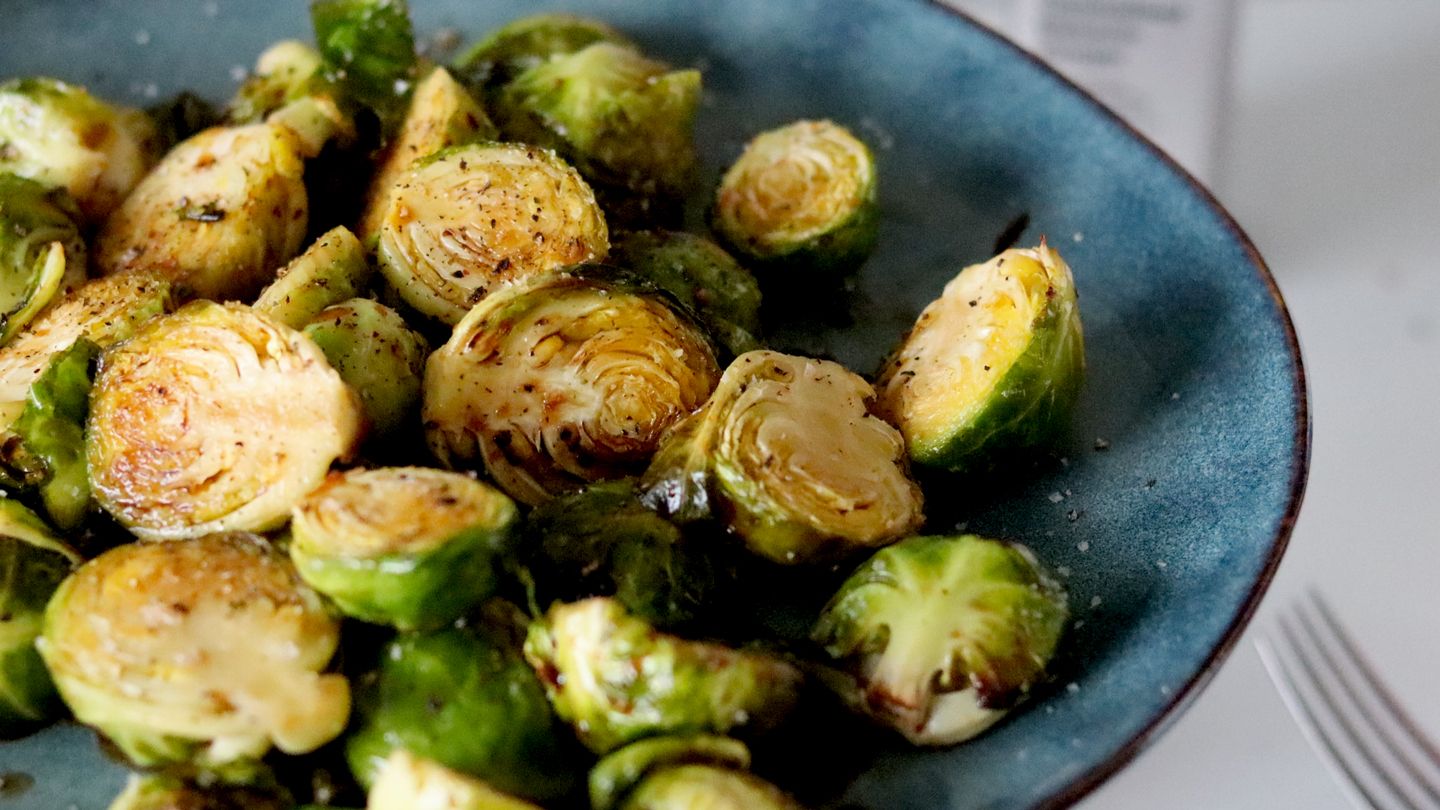
Magnesium-rich sprouts like alfalfa help calm anxiety in fall and winter. Pair with warming ginger, sweet potatoes, salmon, chamomile tea for relaxation....

Struggling to get out of bed? Try quick hydration, light, stretch, and tricks to beat sleep inertia and feel energized daily....

Learn techniques to protect your personal energy field from draining people. Set boundaries, replenish your reserves, and stop others from tapping into your energy....

Get the facts on whether citric acid is allowed on the Whole30 diet. Learn how it's made, where it's found, label reading tips, and foods with natural citric acid....

Feeling like you have no support can be isolating. But you can cope by identifying available help, enhancing social connections, practicing self-care and more....

Learn to recognize symptoms like headaches, nausea, confusion, and mania indicating your antidepressant dosage needs adjustment to avoid complications....
Transform a dirty home into a clean, tidy space with a top-down cleaning approach, checklists for each room, supplies, and tips for maintaining cleanliness....

Take our seasonal depression quiz to check if you have symptoms like low mood, fatigue, oversleeping, weight gain and cravings. Learn about light therapy and lifestyle remedies for SAD....
Examining ashwagandha's effects on emotions, including evidence for mood stabilization, risk of emotional blunting, safety considerations, and how it compares to antidepressants....

Many female celebrities like Demi Lovato, Catherine Zeta-Jones and Drew Barrymore have openly shared their mental health and addiction recovery journeys to inspire others....