Understanding Vicks VapoRub
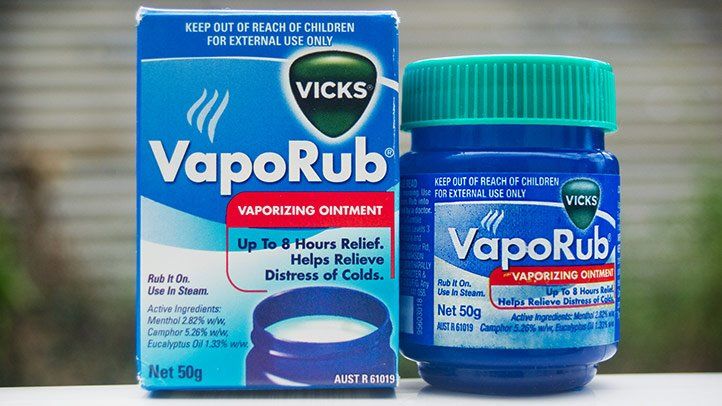
Vicks VapoRub is a popular over-the-counter cough and cold medication made by the company Vicks. It comes in several formulations including the classic menthol-scented ointment, as well as products like the Vicks VapoRub Stick.
The Debate Over Vicks VapoRub Effectiveness
While many swear by Vicks for treating symptoms like cough, congestion and headaches, some researchers debate just how effective it really is. Some key concerns raised over the years include:
- Lack of evidence from clinical trials supporting common usage claims
- Ingredient safety - especially around camphor and salicylates
- Potential risks with inappropriate application in young children
The Key Ingredients in Vicks VapoRub
The active ingredients in Vicks VapoRub products like the vix vapor rub stick include:
- Camphor - Cough suppressant
- Eucalyptus oil - Decongestant
- Menthol - Cough suppressant and topical analgesic
- Turpentine oil - Topical irritant which can relieve chest congestion
Inactive ingredients also aid in delivery to airways or act as fillers and preservatives.
Considering Camphor and Salicylate Safety Concerns
Two of the main ingredients that some researchers have raised concerns over are camphor and salicylates like oil of wintergreen. Some potential issues include:
- Camphor toxicity risk if overapplied, especially in young children
- Salicylate sensitivity reactions in some users like asthma-like breathing issues
These risks seem elevated with inappropriate usage like overapplication on large skin areas or ingestion. Thus most concerns seem tied to user error rather than an inherent risk with topical use as directed on cough relief products like Vicks VapoRub sticks.
Researching Appropriate Usage of Vicks
Given the debates around ingredients and effectiveness, doing your research is wise whenever using a new medication. Some key points on appropriate usage of Vicks VapoRub include:
- Avoid use under age 2 unless doctor approved
- Do not apply to large skin areas or use >3 days unless directed by doctor
- Do not microwave or add direct heat to Vicks formulations
- Consult doctor if cough/congestion persists >1 week or gets severe
- Watch young children closely to prevent accidental ingestion
Considering Alternate Cough Remedies
While many find Vicks products provide effective relief, results can vary by individual. Alternative cough remedies to consider include:
- Throat lozenges with benzocaine or honey
- Humidifiers to ease congestion
- Saline sprays to ease stuffiness
- Cough syrups with dextromethorphan (DM) and/or guaifenesin
- PEP therapy involving pepper, eucalyptus, and mint
The Vicks VapoRub Stick Delivery Format
One delivery format for Vicks is the VapoRub stick. It offers possible convenience and precision dosage benefits with use. Key features typically include:
- Glide-on stick applicator format
- Less messy application vs. ointments
- Easy to carry size for portable use
- Roll-on precision in applying to throat/chest
Sticks come in formulations for both adults and children over 2 years old. They can be applied sparingly up to 3 times daily as needed for coughs and congestion relief.
Weighing the Pros and Cons of Vicks Sticks
Potential Benefits
Some possible perks of choosing the Vicks VapoRub stick format include:
- Measured roll-on application avoids overuse
- Cleaner application format than thick ointments
- Easier for older kids to apply independently
- Can reuse stick applicator long-term vs. single-use products
- Easy to toss in bag/pocket for portable relief
Potential Drawbacks
Possible disadvantages to weigh about vix vapor rub sticks include:
- Slim design could increase choking risk for young kids
- Difficult to apply/rub into some areas like chest or back without help
- Sticks glide over skin so may absorb more slowly than ointments
- Higher price point per use than Vicks jars for frequent use
Disclaimer: This article is for informational purposes only and does not constitute medical advice. Always consult with a healthcare professional before starting any new treatment regimen.
Related Coverage
Profi nasal spray offers a needle-free solution for effective influenza prevention, targeting the virus directly at its source....

Blowing smoke into an aching ear is an old home remedy, but it carries risks like burns, infection spread, and hearing loss. Safer options exist for earache relief....
While some add Vicks VapoRub to bathwater for congestion relief, this practice raises significant safety concerns due to the vapors released containing camphor....

Discover the surprising power of an onion on your bedside table, a natural remedy that harnesses the anti-inflammatory and decongestant properties of onions to provide soothing relief from persistent coughs and respiratory ailments....

Learn about potential side effects and risks of mixing Nyquil cold medicine with the antibiotic amoxicillin. Discover safer alternative cough remedies to use while on antibiotics....

Lower back pain flu? Learn why the flu can cause back aches, red‑flag signs to watch, and simple home remedies for quick relief....

Seeing mucus or phlegm in the back of the throat is common but can signal infections, allergies, smoking, weather changes, etc. Learn reasons for mucus, when to seek care....

Ear pain has many causes including infections, swimmer's ear, TMJ and more. Learn the symptoms of ear infections and how to treat and prevent them properly....

Coughing puts pressure on the uterus, but doesn't directly cause PROM. However, respiratory infections may increase risks. Learn causes, warning signs, and managing PROM....

Learn about common and serious Relenza side effects so you can make informed decisions when treating or preventing the flu....