Understanding Parmesan Cheese
Before delving into the specifics of Kraft Parmesan cheese, it's essential to understand the nature of Parmesan cheese in general. Parmesan, also known as Parmigiano-Reggiano, is a hard, dry cheese made from cow's milk. It is typically aged for a minimum of 12 months, and the aging process can extend up to 36 months or more. The longer the aging, the more intense and complex the flavor becomes.
Shelf Life and Expiration Dates
Parmesan cheese, when properly stored, can have an extended shelf life compared to other types of cheese. The hard, dry texture and low moisture content contribute to its longevity. However, even Parmesan cheese has a limited shelf life, and it's crucial to pay attention to expiration dates and storage conditions.
Kraft Parmesan cheese, like most commercially packaged cheeses, carries a "Best By" or "Use By" date on the label. This date is an indicator of when the cheese is at its peak flavor and quality, but it does not necessarily mean the cheese is unsafe to consume after that date. With proper storage, Parmesan cheese can often last well beyond its printed expiration date.
Storage and Handling of Kraft Parmesan Cheese
Unopened Packages
When stored unopened and at the appropriate temperature, Kraft Parmesan cheese can maintain its quality for several months beyond the "Best By" date. It's essential to keep the cheese refrigerated at a temperature between 35F and 40F (2C and 4C). Avoid storing it in the door of the refrigerator, as temperature fluctuations can affect its shelf life.
Opened Packages
Once a package of Kraft Parmesan cheese is opened, its shelf life is significantly reduced. It's best to consume the cheese within 4 to 6 weeks after opening, provided it is stored properly. To maximize its longevity, transfer the cheese to an airtight container or resealable plastic bag, and keep it refrigerated at the same temperature as before opening.
Signs of Spoilage
Even with proper storage, there may come a time when Kraft Parmesan cheese starts to show signs of spoilage. Here are some indicators to watch out for:
Discoloration
Fresh Parmesan cheese has a pale yellow or golden color. If you notice any green, blue, or black discoloration, it's a clear sign that the cheese has gone bad and should be discarded.
Mold Growth
The presence of any visible mold growth on the surface of the cheese is a definite sign that it has spoiled and should not be consumed. Mold can spread quickly and contaminate the entire block or container of cheese.
Off Odors
Parmesan cheese has a distinct, sharp aroma. If you notice any off or sour odors, it's an indication that the cheese has started to deteriorate and should be thrown away.
Extending the Shelf Life
While Kraft Parmesan cheese has a relatively long shelf life, there are a few tips to help extend its freshness:
Proper Refrigeration
Maintaining the appropriate temperature in your refrigerator is crucial for preserving the quality of Parmesan cheese. Ensure that your fridge is set between 35F and 40F (2C and 4C) and avoid storing the cheese in the door, where temperature fluctuations are more common.
Air-Tight Storage
Once opened, transfer the Parmesan cheese to an airtight container or resealable plastic bag. This will prevent air from entering and drying out the cheese, prolonging its freshness.
Portion Control
To minimize the exposure of the cheese to air and potential contamination, consider portioning out the amount you plan to use and keeping the remainder sealed until needed. This will reduce the overall surface area exposed to air and potential spoilage.
The Bottom Line
While Kraft Parmesan cheese does have a shelf life and can eventually go bad, with proper storage and handling, it can maintain its quality for an extended period. Pay attention to expiration dates, store the cheese correctly, and watch for signs of spoilage. By following these guidelines, you can enjoy the delicious flavor of Kraft Parmesan cheese while ensuring its safety and freshness.
FAQs
How long does Kraft Parmesan cheese last after the expiration date?
Kraft Parmesan cheese can often last well beyond its printed expiration date, known as the "Best By" or "Use By" date. With proper storage, it can maintain its quality for several months after the expiration date.
What is the best way to store opened Kraft Parmesan cheese?
Once a package of Kraft Parmesan cheese is opened, it's best to transfer it to an airtight container or resealable plastic bag and keep it refrigerated at a temperature between 35°F and 40°F (2°C and 4°C). This will help maximize its shelf life and prevent air exposure.
How can I tell if my Kraft Parmesan cheese has gone bad?
Signs of spoilage in Kraft Parmesan cheese include discoloration (green, blue, or black), mold growth on the surface, and off or sour odors. If you notice any of these, it's best to discard the cheese.
Can I freeze Kraft Parmesan cheese to extend its shelf life?
While freezing can prolong the shelf life of some cheeses, it's not recommended for Kraft Parmesan cheese. The texture and flavor may be adversely affected by freezing, and the cheese may become dry and crumbly upon thawing.
What are some tips for extending the shelf life of Kraft Parmesan cheese?
To help extend the shelf life of Kraft Parmesan cheese, ensure proper refrigeration (35°F to 40°F), store it in an airtight container or resealable bag, and consider portioning out the amount you plan to use to minimize air exposure.
Disclaimer: This article is for informational purposes only and does not constitute medical advice. Always consult with a healthcare professional before starting any new treatment regimen.
Related Coverage

Sweet potatoes are nutrient-dense root vegetables that provide fiber, vitamins, minerals and antioxidants. Learn about the nutrition, benefits, calories, and recipes....

Find out how many calories are in fresh mozzarella cheese. Learn nutrition facts, compare full fat vs part skim, and get tips for enjoying fresh mozzarella on a diet....

Looking to remain in ketosis and still eat fast food at Sonic? Check out this guide for ordering keto-friendly menu items like bunless burgers, salads, and sides....

Wondering if you can eat Kraft American cheese on the keto diet? Get the facts on its carbs, sodium, additives and how it compares to cheddar, mozzarella and more....
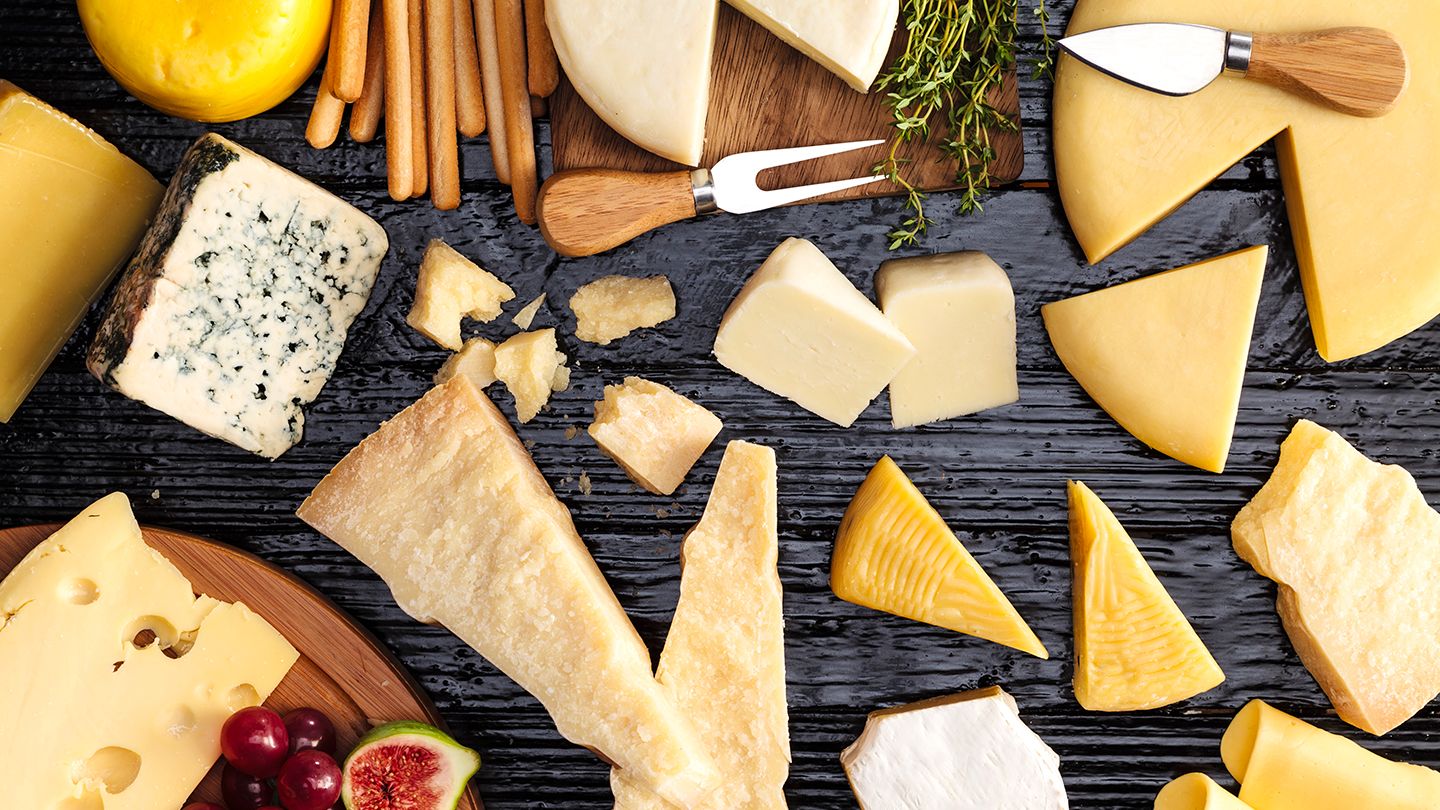
Discover the most keto-friendly cheese options to eat on a ketogenic diet. Get the top 5 best and worst cheeses for keto and learn how to pick the healthiest cheeses....
Asparagus is a nutritious low-carb vegetable with only 8 g net carbs per serving. It provides antioxidants, vitamin K, B vitamins, and aids heart health, weight loss....

Learn exactly how much sugar is in different types of champagne, from Brut Nature's 0 grams per glass to Demi-Sec's 30+ grams. Get the facts on counting champagne carbs for keto....

Plain Greek yogurt contains no lectins, but flavored types with fruit or sweeteners may have small amounts. Lectins can cause issues in sensitive people....

A quarter cup of dry rolled oats contains about 150 calories. Learn about the nutritional value of oats, health benefits, and tips for weight loss....

Discover the best and worst cheeses for a keto diet. Learn how to navigate the cheese aisle and make informed choices to enjoy delicious, low-carb cheeses like parmesan....