Understanding Hidradenitis Suppurativa Surgery and What to Expect
Hidradenitis suppurativa (HS) is a painful chronic skin condition that causes boil-like lumps and abscesses to form in areas like the armpits, groin, and under the breasts. For some patients, HS symptoms can become severe enough that surgery is recommended as a treatment option. Viewing HS surgery pictures can help patients understand the procedures and feel prepared for the process.
Goals of HS Surgery
There are a few main goals surgeons have when performing surgery on HS patients:
- Remove actively inflamed HS tissue
- Eliminate HS sinus tracts or tunnels under the skin
- Minimize scarring from chronic HS lesions
- Restore mobility and function impaired by HS
- Improve quality of life for the patient
Pictures of HS surgery sites can demonstrate how surgeons work to excise disease tissue and close wounds in ways that support healing.
Types of HS Surgery
Some common surgical procedures performed for hidradenitis suppurativa include:
Incision and Drainage
Small, painful abscesses may be drained of pus via a minor surgical incision. This relieves pressure and infection in the short-term.
Wide Excision
Excision of the entire affected area is done, removing all HS-involved tissue. This may leave large open wounds that require reconstructive surgery closure techniques.
Laser Surgery
A CO2 laser is used to vaporize and remove diseased HS tissue while sealing blood vessels to minimize bleeding and scarring.
Liposuction
Liposuction can be used to remove HS abscess pockets and nodules, typically in combination with excision methods for optimal clearing of disease.
What to Expect During HS Surgery
Understanding the general HS surgery process and recovery can make preparing for the procedure less intimidating.
Anesthesia
HS surgery is performed under general anesthesia or local anesthesia combined with IV sedation to keep patients comfortable throughout.
Excision of Tissue
The surgeon will cut out and remove all visibly inflamed HS tissue, going wider than just the involved area to help reduce recurrence risk.
Closing the Wound
Methods like sutures, skin grafts, flaps, or healing by secondary intention are used to close excision wounds in ways that support optimal healing.
Post-Surgery Care
Bandages, compression garments, medication, and wound care will be needed after surgery while healing. Follow-up appointments monitor progress.
Activity Restrictions
Restricting activity is required for a period after surgery to allow proper healing. This may mean missing work or needing assistance with daily tasks temporarily.
HS Surgery Recovery and Results
Pain and Discomfort
It's normal to have pain, swelling, bruising, and drainage from incision sites after surgery. Medications are given to manage discomfort as you heal.
Wound Care
Keeping surgical sites clean and dressed properly is crucial for optimal wound healing. Follow all wound care instructions from your care team.
Scarring
Scarring from HS surgery is inevitable, but surgeons work to minimize this through adept closure techniques. Scars do fade over time.
Healing Timeline
Healing from HS excision surgery often takes weeks to months depending on the size and depth of tissue removed. You'll have follow-ups to monitor your progress.
Recurrence Risk
While not guaranteed, surgery can provide long-term disease remission. Maintaining healthy habits and follow-up care helps reduce recurrence risk.
Preparing Mentally and Physically for HS Surgery
Know What to Expect
Research the procedure thoroughly and view HS surgery photos to know what the process involves and how sites look post-op. This reduces anxiety.
Plan Your Recovery Setup
Get your home ready with items you'll need for recovery like medications, wound supplies, compression garments, and assistance aids.
Communicate Your Needs
Tell your surgeon all HS-related concerns and post-op needs so they can best support you through planning, surgery, and aftercare.
Arrange Help as Needed
Have caregiver support lined up to help while activity is limited, especially if you live alone. Meal prep and cleaning assistance is useful.
Stop Smoking
Stop smoking at least 3 weeks before surgery and after to allow proper tissue healing and blood flow.
Rest Up
In the weeks before surgery, get plenty of rest to have the energy needed for recovering.
Finding an Experienced HS Surgeon
Vetting surgeons thoroughly is crucial to ensure the best procedure and results possible. Look for:
- Board certified plastic surgeons or dermatologists
- Extensive experience specifically treating HS patients
- Membership in accredited specialty societies
- Affiliation with highly regarded hospitals and surgical centers
- Excellent before and after photos of HS procedures
- Strong reviews and recommendations from former HS patients
Don't be afraid to ask lots of questions and consult with multiple surgeons before choosing one. Finding the right surgical team can be life-changing for living better with severe HS.
FAQs
What types of surgery are performed for HS?
Common HS surgeries include incision and drainage, wide excision, laser surgery, and liposuction used in combination with excision methods.
What is the recovery like after HS surgery?
Expect pain, drainage, bruising, and swelling after surgery. Healing takes weeks to months depending on the procedure. Follow wound care instructions closely.
How can I prepare for HS surgery?
Know what to expect through research, plan your recovery setup and assistance needs, stop smoking, communicate with your surgeon, and get plenty of pre-op rest.
What results can I expect from HS surgery?
Surgery aims to remove inflamed tissue, close wounds well, minimize scarring, restore mobility, and reduce recurrence risk. But some symptoms may persist.
How do I find an experienced HS surgeon?
Look for a board certified, accredited surgeon with extensive experience treating HS specifically. Vet candidates thoroughly and consult multiple surgeons before deciding.
Disclaimer: This article is for informational purposes only and does not constitute medical advice. Always consult with a healthcare professional before starting any new treatment regimen.
Related Coverage

Hidradenitis suppurativa can increase risks of premature death, with 30-80% higher mortality rates seen. Leading causes are cardiovascular disease, cancer, and suicide....

Fleas pose major health risks like anemia and infections to pregnant/nursing dogs and vulnerable puppies. Learn safe grooming, cleaning and treatment options....

From ingredients to avoid to application tips, find out how to choose the best deodorant for hidradenitis suppurativa (HS). Control odor and wetness without irritating painful boils....

Learn about the potential anti-aging benefits of Lifecell Myco supplements, which contain cordyceps militaris mushroom extract. Get the facts on effectiveness, safety, side effects, and more....

Learn about the top anti-inflammatory foods to eat and limit to manage hidradenitis suppurativa, including fruits, vegetables, lean proteins, whole grains and healthy fats....

HS can impact dating confidence and physical intimacy but doesn't have to inhibit relationships. With communication and education, you can foster understanding and support....
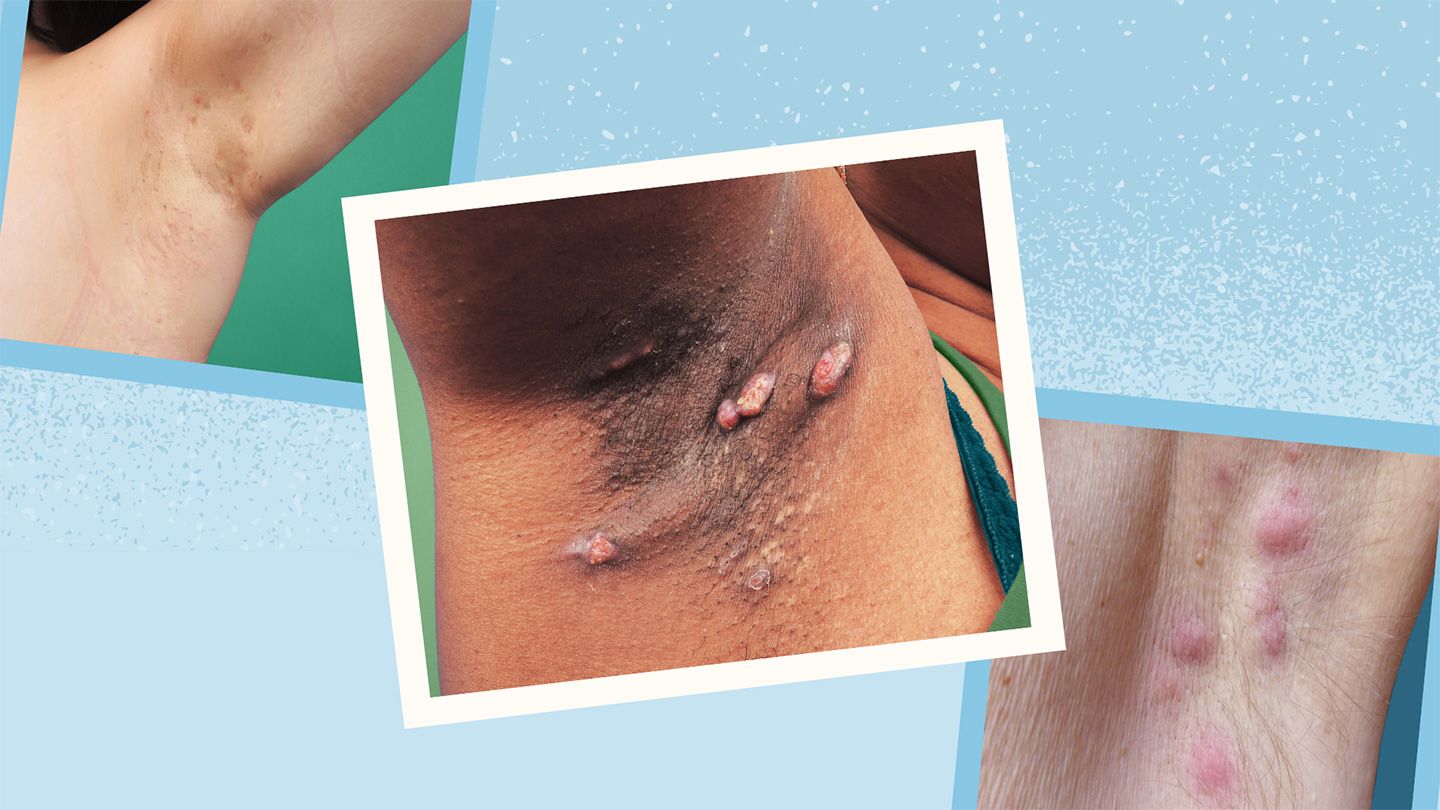
Hidradenitis suppurativa is a painful inflammatory skin disease. Learn about HS symptoms, causes, stages, diagnosis, treatment options, and prevention of flares....

This article dives deep into the psychological motivations and impact of catfishing, the disturbing trend of creating fake online identities and relationships....
HS symptoms like skin lesions, pain, and drainage can complicate dating and intimacy. But with communication, adaptation, and the right partners, fulfilling love is possible....

Boils are localized bacterial skin infections that cause swollen, pus-filled lumps. Learn whether soaking in Epsom salt can help draw out infection to speed healing....