Understanding Methotrexate
Methotrexate is a common disease-modifying anti-rheumatic drug (DMARD) used to treat rheumatoid arthritis and other autoimmune conditions. It works by modifying the body's immune system to reduce inflammation. Methotrexate has been used since the 1950s and offers an affordable, effective option for managing symptoms of rheumatoid and psoriatic arthritis.
How Methotrexate Works
Methotrexate works by reducing the activity of enzymes that stimulate the immune system. This decreases inflammation levels that contribute to joint swelling, stiffness, and damage in inflammatory forms of arthritis.
Doctors often prescribe methotrexate as a first line defense to relieve arthritis symptoms and slow disease progression. When used properly, methotrexate can induce disease remission and enable independent physical functioning for years.
Potential Side Effects
As with any medication, methotrexate does come with some risks of side effects. Common side effects may include:
- Nausea, vomiting, diarrhea
- Mouth sores
- Rashes, itching
- Hair thinning
- Headaches
Monitoring lab tests helps detect and manage negative effects early on. Doctors also commonly prescribe folic acid supplements to help minimize adverse events.
Alcohol and Methotrexate Interactions
Is Alcohol Allowed with Methotrexate?
Moderate alcohol consumption is generally considered safe with methotrexate. Heavy or binge drinking however can interfere with drug metabolism and potentially worsen side effects.
Most guidelines define moderate drinking as:
- For women: 1 drink or less per day
- For men: 2 drinks or less per day
One standard alcoholic drink contains about 14 grams of pure alcohol, which equals:
- 12 oz beer
- 5 oz wine
- 1.5 oz liquor
This serving size should guide alcohol limits when taking methotrexate for arthritis or other conditions.
Risks of Methotrexate and Alcohol Use
Using methotrexate with alcohol above moderate levels may result in a range of adverse health effects such as:
- Drug toxicity: Excess drinking can hinder methotrexate excretion leading to a dangerous build up in the body.
- Increased side effects: Alcohol intensifies common symptoms like nausea, headaches, fatigue, and liver damage.
- Dehydration: Alcohol acts as a diuretic, increasing fluid loss coupled with methotrexate.
- Treatment failure: Heavy alcohol abuse can counteract the benefits of methotrexate for controlling arthritis inflammation.
Patients who drink heavily while taking methotrexate also raise their risks for much more serious health issues over time.
Mechanism Behind Alcohol and Methotrexate Interactions
There are a few reasons why alcohol negatively interacts with methotrexate metabolism:
- Alcohol competes with methotrexate for certain metabolic enzymes and elimination pathways, delaying its clearance.
- Both methotrexate and alcohol are broken down by the liver. Too much of both can overburden normal liver function.
- Alcohol causes significant dehydration due to increased urination. Methotrexate works best with proper hydration status.
Genetics may also play a role in determining the magnitude of negative methotrexate-alcohol interactions for a given patient.
Other Beverages to Avoid with Methotrexate
Grapefruit Juice and Methotrexate
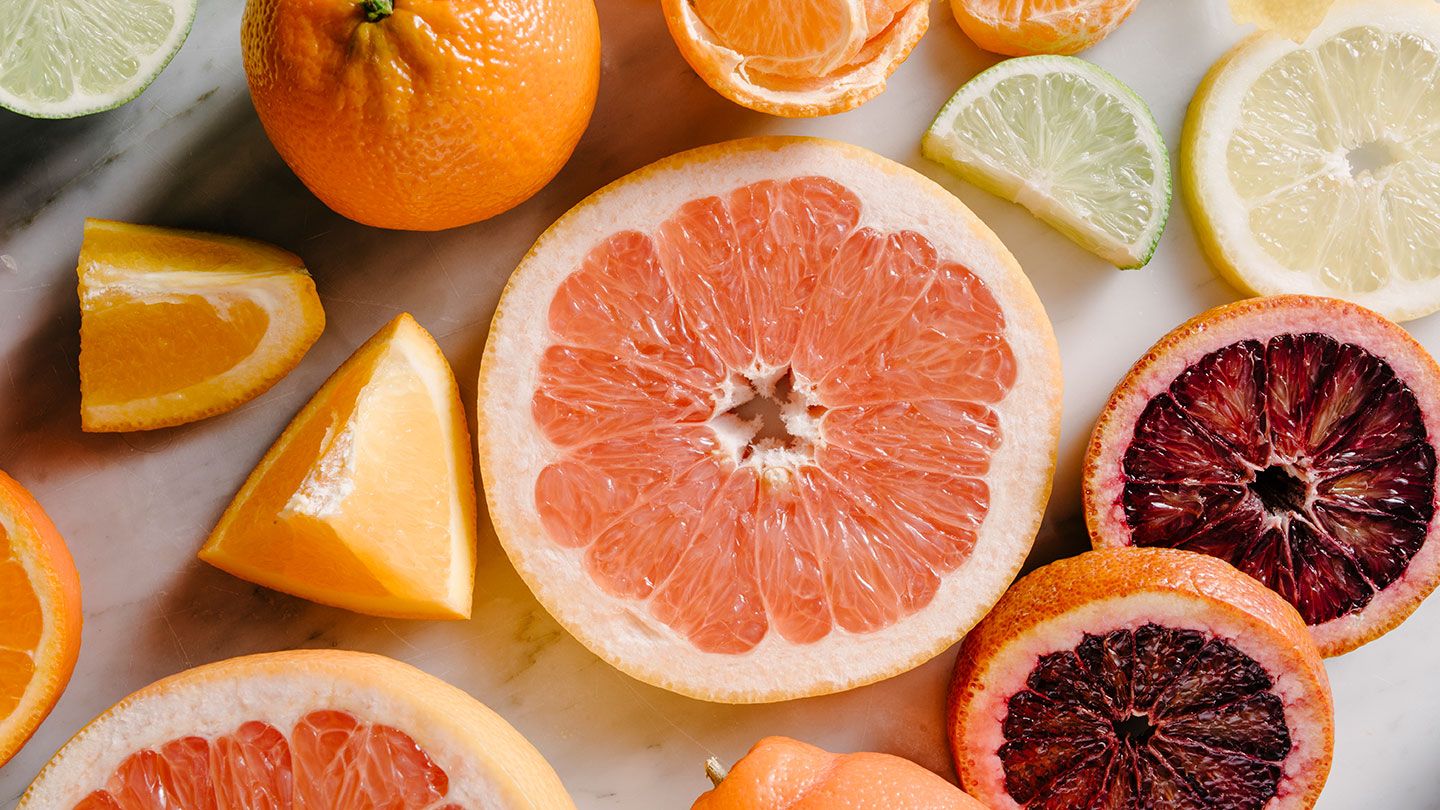
Grapefruit juice should also be avoided when taking methotrexate. Grapefruits contain compounds that interfere with several drug metabolizing enzymes.
Drinking grapefruit juice essentially disables the body's ability to break down methotrexate properly. The resulting buildup leads to intensified adverse effects.
Caffeinated Drinks
While most experts permit coffee in moderation with methotrexate, those sensitive to caffeine may choose to limit intake. Excess caffeine from coffee, tea, energy drinks or soda may worsen common symptoms like:
- Headaches
- Anxiety
- Sleep problems
- Nausea
- Heartburn
- Frequent urination (dehydration)
Listen to your body's response after consuming caffeinated beverages while on methotrexate therapy.
Dairy and Calcium-Fortified Drinks
Some doctors advise spacing daily calcium intake from dairy, fortified juice, or supplements at least three hours apart from methotrexate. Absorption of methotrexate may decrease when taken too closely with high calcium foods or drinks.
Tips for Drinking Safely with Methotrexate
Talk to Your Doctor
Discuss all alcohol and beverage intake openly with your prescribing doctor when starting methotrexate. Your physician can help tailor appropriate consumption levels based on your health history and lab results.
Stay Hydrated
Drink plenty of non-alcoholic, non-caffeinated beverages throughout methotrexate therapy. Good choices include water, herbal tea, broths, or diluted fruit juice. Proper hydration aids methotrexate efficacy and safety.
Record Your Alcohol Intake
Use a diary to regularly log all alcoholic drinks while taking methotrexate. Tracking helps ensure you stay within maximum recommended limits for safety.
Schedule a Support System
Consider enlisting a family member or friend to help restrict excessive alcohol intake if you struggle with dependency. Seeking counseling or support groups provides further help avoiding alcohol abuse with methotrexate treatment if needed.
Observe How You Feel
Pay attention to your body and energy levels when drinking alcohol with methotrexate. Report any exacerbated nausea, fatigue, headaches or other side effects promptly to your rheumatologist.
Modifying alcohol or methotrexate intake may be required in response to observed symptom patterns after drinking.
The Bottom Line
What are the key takeaways when it comes to methotrexate and alcohol consumption?
- Moderate alcohol intake appears reasonably safe for most patients on methotrexate therapy.
- Heavy, long-term, or binge drinking poses high risks for complications and should be avoided.
- Caffeinated, grapefruit, and calcium-rich beverages warrant caution as well.
- Discuss guidelines openly with your doctor and follow their recommended limits.
Paying attention to alcohol amounts and how you feel afterward enables safe yet enjoyable drinking habits with methotrexate treatment.
FAQs
Can I drink wine while taking methotrexate?
You may consume moderate amounts of wine with methotrexate. Stick to one 5oz glass of wine per day for women or two 5oz glasses for men. Avoid wine completely if you have alcoholism or liver disease.
What happens if I drink heavily while on methotrexate?
Consuming more than 3 drinks per day while on methotrexate can cause severe side effects. Seek emergency care for symptoms like vomiting, bleeding, yellow skin/eyes, dark urine, or mental confusion.
Can I ever drink again if I had methotrexate toxicity from alcohol?
After an episode of methotrexate toxicity, you may be advised to quit drinking altogether. If cleared by your doctor, you must commit to strict moderate alcohol limits and monitoring moving forward.
Is occasional binge drinking ok with methotrexate?
No, binge drinking should be completely avoided with methotrexate. Consuming 4+ drinks per occasion can severely impact methotrexate clearance and liver function.
Disclaimer: This article is for informational purposes only and does not constitute medical advice. Always consult with a healthcare professional before starting any new treatment regimen.
Related Coverage

THC gummies may help relieve certain types of chronic pain and inflammation, but benefits are still being researched. Learn about effectiveness, proper dosage, side effects, and precautions....

Tips for identifying control or isolation in a relationship, seeking outside support, communicating your needs, and finding autonomy if feeling compromised....

Knowing the red flags like isolation, mood swings, controlling behavior and fear in toxic relationships can empower you to regain your self-worth and walk away....

Don't let flawed bitter cucumbers ruin recipes! This guide teaches you techniques to pick fresh cucumbers plus proper storage and uses for overripe ones....

Learn the importance of cleansing and exfoliating skin. Get tips for choosing the right facial cleansers and exfoliators for your skin type and how to properly exfoliate your face and body....
Historical bias and stigma have resulted in myths and taboos around menopause, misleading women with incomplete facts. The truth confronts outdated assumptions....

Dark chocolate drinks provide a rich source of antioxidants, magnesium, and compounds that lift mood. Enjoy the history and easy recipe ideas for chocolatey drinks....
Made with quality dark chocolate, high cacao hot chocolate warms you up while delivering antioxidants, less sugar, and surprising benefits for heart health, inflammation, cognition, and more....

Learn exactly how much coconut extract is in various canned coconut products like milk, cream, water and shredded meat so you know what you're getting....

Learn which beverages are diabetes-friendly, including water, coffee, tea & more. Get tips for avoiding sugary drinks that can spike blood sugar....