How Many Carbs are in an Ear of Corn?
Corn is a staple vegetable in many cuisines around the world. Its sweet flavor makes it popular for eating fresh, while its versatility allows it to be used in everything from cornbread to corn tortillas. However, if you are following a low-carb or ketogenic diet, you may be wondering whether corn should be avoided due to its carbohydrate content.
In this article, we'll take a close look at the carb count of corn and whether it can fit into a low-carb lifestyle like the keto diet. We'll also provide some tips for enjoying corn without kicking yourself out of ketosis.
Nutrition Facts for Corn
There are around 22-27 grams of net carbs in an average size ear of corn (around 6-8 inches long), depending on the variety. This carb count comes from the natural sugar content of corn.
Here is the nutrition breakdown for a 6-8 inch ear of medium yellow corn (about 106 grams):
- Calories: 96
- Total Carbohydrates: 26 g
- Dietary Fiber: 3 g
- Sugar: 4 g
- Protein: 3 g
- Fat: 1 g
As you can see, over half of the calories in corn come from carbs. However, corn also provides a decent amount of fiber, which helps lower its glycemic index.
Is Corn Keto-Friendly?
Now that we know how many total carbs are in corn, the next question is whether it fits into a ketogenic diet. The basic guideline for keto is to keep net carb intake around 20-50 grams per day.
With 22-27 grams of net carbs in just one ear, corn is a very high-carb vegetable. Eating just one ear would likely take up your entire carb allowance for the day.
For this reason, corn is generally not considered keto-friendly, especially if eaten in large amounts. However, you may be able to incorporate corn in small portions occasionally without getting kicked out of ketosis.
Tips for Eating Corn on Keto
If you want to enjoy the sweet flavor of corn while sticking to your low-carb diet, here are some tips:
- Measure your portions - stick to 1/2 to 1 ear maximum per serving
- Pair it with proteins and fats - this helps prevent blood sugar spikes
- Don't eat it every day - make it an occasional treat
- Focus on lower carb varieties like white corn
- Avoid adding high-carb ingredients like butter
Eating corn in extreme moderation can allow you to reap some of its nutritional benefits without sabotaging your carb intake for the day.
Health Benefits of Corn
Corn has a bad reputation among low-carb and keto circles. However, it does provide some important nutrients when eaten in moderation. Here are some of the health benefits of corn:
- Fiber - one ear contains 3 grams of fiber, helping with digestion and gut health.
- Vitamin C - supports immune function and acts as an antioxidant. Corn contains 7% DV in one ear.
- Folate - essential for cell growth and development. Corn provides 7% DV.
- Antioxidants - corn contains carotenoids like lutein and zeaxanthin which combat oxidative stress.
- Thiamin - corn contains this B vitamin which is important for energy production in the body.
While corn should not be a dietary staple, enjoying an ear here and there can provide valuable vitamins, minerals, fiber and plant compounds.
Low Carb Alternatives to Corn
If you want to avoid corn completely on keto, there are plenty of lower carb alternatives that can satisfy your cravings:
- Cauliflower - can be riced or mashed to mimic corn texture
- Green beans - provide crunch and sweetness
- Bell peppers - especially yellow, replicate corn flavor
- Peas - contain natural sweetness like corn
- Asparagus - soft texture and ability to be buttered or grilled
- Broccoli - strong flavor stands up well to seasonings and grilling
These low carb veggies can be roasted, grilled, sauted or seasoned just like corn to provide a similar taste and enjoyment. Getting creative with seasonings and preparations can help prevent feeling deprived from skipping corn.
Making Low Carb Corn Recipes
If you don't want to give up beloved corn recipes like cornbread and corn casserole, there are some tricks for lowering the carb counts:
- Replace half the corn with riced cauliflower
- Swap regular corn flour with almond or coconut flour
- Use extra eggs and cheese for binding instead of corn flour
- Add in extra veggies like peppers and zucchini
- Use smaller portions of corn with more added protein
With some simple ingredient swaps, you can still enjoy many classic corn dishes without going overboard on carbs. Moderating your portions is key.
Should You Avoid Corn on Keto?
Corn is very high in carbohydrates, which typically makes it unsuitable for the ketogenic diet. Consuming a whole ear could easily max out your daily net carb intake.
However, if you are an occasional corn lover, you can likely incorporate it in small amounts without kicking yourself out of ketosis. Just be mindful of your portions, avoid eating it daily, and pair it with other low carb foods to prevent blood sugar spikes.
Instead of corn, try low carb vegetables like cauliflower, broccoli, asparagus, and zucchini more often. With some creativity, you can recreate favorite corn recipes to stay satisfied on keto.
Overall, corn should not make up a main part of your diet, but enjoying it occasionally and strategically can let you reap some benefits without sacrificing your low-carb lifestyle.
FAQs
How many total carbs are in an ear of corn?
There are around 26 grams of total carbs in an average size ear of corn (around 6-8 inches long). This comes mostly from the natural sugars in corn.
What is the net carb count for corn?
After fiber is subtracted, there are about 22-27 grams of net carbs in an ear of corn. The exact amount varies slightly by variety.
Is corn keto-friendly?
Generally no, corn is too high in net carbs to be keto-friendly if eaten in large amounts. But enjoying a 1/2 to 1 ear portion occasionally may fit into some people's daily carb limit.
What are some good low carb substitutes for corn?
Some great low carb alternatives to corn include cauliflower, broccoli, asparagus, green beans, bell peppers, and zucchini. These can replicate the flavor and texture of corn.
Can you make low carb versions of corn recipes?
Yes, ingredients like cauliflower rice, zucchini, almond flour, coconut flour, and extra eggs can help lower the carb count of dishes like cornbread and corn casserole to make them keto-friendly.
Disclaimer: This article is for informational purposes only and does not constitute medical advice. Always consult with a healthcare professional before starting any new treatment regimen.
Related Coverage

Some popular mixed drinks like Long Islands and frozen Margaritas are cloyingly sweet, artificial-tasting, and poorly balanced. Discover better cocktails to order instead....

Get the scoop on the best low-carb cheeses to enjoy on keto. Learn carb counts, the best options to choose, and easy cheesy recipes to make....

With high-carb acorn and butternut off the keto menu, learn which low-carb squash types fit into a ketogenic diet, from zucchini and spaghetti to yellow squash and calabaza....

Cheese is often enjoyed in the ketogenic diet due to its high fat content and minimal carbs. Get tips for purchasing quality cheeses along with four delicious keto cheese recipe ideas....

Discover the best keto-friendly yogurt toppings to make your low-carb snacks and meals delicious without compromising your ketosis. Explore our top picks and tips for choosing the right yogurt and toppings for your keto diet....

Learn how to order keto-friendly meals under 5g net carbs at Sonic Drive-In. Get tips for customizing lettuce-wrapped burgers, low-carb sides like mozzarella sticks, and diet drink options....

Learn how to safely enjoy fried foods like chicken, cauliflower rice and zucchini fries as part of a healthy ketogenic diet when prepared properly with tips on best cooking oils....

Discover the most keto-friendly cheese options to eat on a ketogenic diet. Get the top 5 best and worst cheeses for keto and learn how to pick the healthiest cheeses....
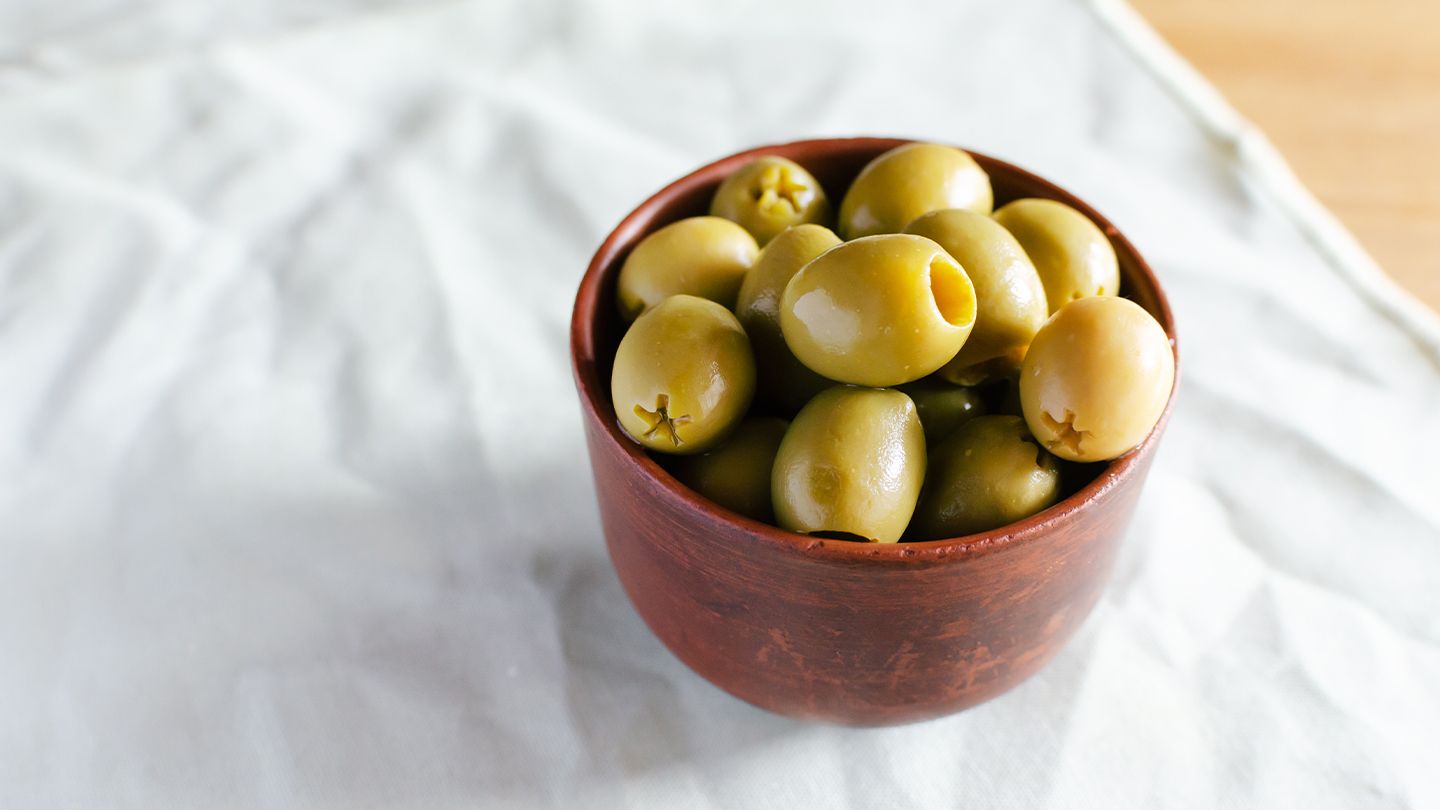
Enjoy the many health perks of olive green snacks and produce like spinach, kale, avocados, green beans, and artichokes. Learn simple tips to add more antioxidant-rich greens....

Looking for the top carb cycling books and resources? Learn how to properly structure your high-carb and low-carb days to burn fat and build muscle with carb cycling....