What's Causing My Stabbing Hip Pain?
Hip pain can be extremely disruptive to your daily life. When it comes on suddenly and feels like a stabbing sensation, it can be alarming as well. Determining the underlying cause is key to finding the right treatment plan.
Common Causes of Stabbing Hip Pain
There are many possible reasons for a sudden, sharp and stabbing pain in the hip area. Here are some of the most common culprits:
- Muscle strain
- Hip flexor strain
- Trochanteric bursitis
- Bone fractures
- Arthritis flares
- Referred pain from spinal nerve impingement
Let's explore these common causes of stabbing pain on hip in more detail...
Muscle Strains
The hip area contains several powerful muscle groups like the gluteal muscles, iliopsoas, piriformis, obturators, and thigh muscles. If you abruptly stretch, twist, or overuse these muscle tissues, it can cause microtears leading to a muscle strain injury.
Symptoms of a hip muscle strain causing your stabbing hip pain include:
- Sharp pain when moving your hip
- Difficulty standing up, walking, ascending stairs
- Muscle spasms and cramping
- Warmth, swelling, bruising over the strained muscle
Hip Flexor Strain
The hip flexor muscle group allows you to lift your knees and bend at the waist. Sudden increases in training load like sprinting, kicking, or swinging the leg can overstretch these muscles. If you feel a twinge as you lift your leg that progresses into stabbing pain on hip movements, suspect a hip flexor strain.
Trochanteric Bursitis
Bursae are fluid-filled sacs around joints that reduce friction between bone and muscle. The trochanteric bursa lies over the greater trochanter of your femur bone. This bursa can become irritated and inflamed, especially in women over 40.
Symptoms include:
- Intense stabbing pain on hip (outside of hip)
- Pain lying on that side
- Limping
- Difficulty standing from seated position
Bone Fractures
While less common than soft tissue injuries, stress fractures and traumatic hip fractures can definitely cause abrupt stabbing hip pain. Fractures often result from falls, motor vehicle accidents or excessive impact to the pelvis and hip region.
Seek prompt medical care for:
- Inability to bear weight on leg
- Severe, unrelenting pain
- Joint instability or deformity
- Extreme tenderness over hip bones
Arthritis Flare-Ups
Those diagnosed with hip osteoarthritis or rheumatoid arthritis are no strangers to hip pain. But on occasion, arthritis can flare up and cause sudden, severe hip discomfort that mimics a stabbing sensation.
Arthritis flares stem from increased inflammation and swelling in the hip joint. They may occur due to weather changes, overactivity, mechanical stress or for no identifiable reason at all.
Applying ice, activity modification, medication, and joint protection strategies can help calm arthritis flares.
Referred Pain from Back Problems
The lumbar spine, sacroiliac joint, and sciatic nerve all intersect in the hip and gluteal region. Irritation to these areas from muscular strain, joint dysfunction, disc issues or nerve compression can actually manifest as hip and gluteal discomfort.
Seeking care from chiropractic doctors, physical therapists, or pain specialists can help determine if spinal issues are the true root cause of your stabbing hip pain.
Professional Evaluation of Stabbing Hip Pain
While those are some of the most common culprits behind acute, stabbing hip pain, other medical problems can also be at play. Having your hip evaluated is crucial for proper diagnosis and treatment.
Medical History Details
Be prepared to give your doctor key details about your stabbing hip symptoms including:
- Where exactly is the pain located?
- Does the pain radiate anywhere else?
- What movements or positions make it worse?
- What makes the pain feel better, if anything?
- Did you suffer any trauma like a fall?
Your full health history, risk factors, lifestyle and any prior hip injuries can also guide your doctor's evaluation.
Physical Examination
During the physical exam, your doctor will check hip mobility, strength, range of motion and alignment. They will palpate carefully around the joint and muscles to pinpoint areas of tenderness.
Youll likely be asked to move the hip in different directions like lifting the leg straight up, crossing it over, rotating it inward and outward, and extending it behind you.
Observing your pain reactions helps localize the pain generator.
Potential Diagnostic Tests
If the cause remains ambiguous after a thorough history and physical exam, medical tests can provide more definitive answers:
- X-rays - Assess for bone fractures, arthritis, fractures
- MRI - Reveals soft tissue injuries, nerve issues, tumors, and more
- Lab tests - Check for underlying inflammatory conditions
- Hip injection - Numb specific structures to find pain source
Treating Stabbing Hip Pain
The right treatments for sudden stabbing hip pain depends entirely on pinpointing the underlying structural cause. But some general treatment guidelines include:
Rest and Activity Modification
Take a break from any activities that aggravate your hip pain. Alter your movement patterns to avoid positions that trigger your symptoms. Use crutches or a cane if needed for mobility.
Ice and Heat Therapy
Ice helps relieve the inflammation causing that sharp, stabbing sensation. Apply ice packs wrapped in thin towels for up to 20 minutes several times per day. Alternate heat to stimulate blood flow and relax the muscles.
Medications
Over-the-counter anti-inflammatories like ibuprofen and naproxen can ease soft tissue injury and arthritis flares. Your doctor may inject steroids if your bursitis or tendinitis doesnt resolve quickly.
Bracing and Taping
Kinesiology tape, hip braces, and athletic strapping provide external joint support to help stabilize the hip during early healing. This reduces painful movement while the strained structures start to repair themselves.
Physical Therapy Treatment
Once the initial pain and inflammation settle down, skilled physical therapy can help regain mobility, strength, and function. Manual techniques, therapeutic exercise, dry needling, and modalities accelerate healing.
Preventing Recurrent Stabbing Hip Pain
Many cases of acute stabbing hip pain result from muscle strains and overuse injuries. Once you fully recover, implementing some targeted prevention strategies is prudent:
- Warm up hips thoroughly before exercise
- Increase training loads gradually over time
- Strengthen hips, core, glutes, and legs
- Improve flexibility through stretching
- Wear supportive footwear
- Maintain ideal weight to reduce joint loads
Learning proper movement patterns from physical therapists can also help you avoid future strain recurrences. Stay vigilant about hip injury warning signs during workouts and recreational activities.
When to See Your Doctor About Stabbing Hip Pain
In most cases, acute hip soreness will fade within a few days of home treatment. But if your stabbing pain on hip persists for over a week or two, seek medical advice.
Also pursue rapid diagnosis and care if your pain is:
- Constant and worsening
- Causing difficulty walking or sleeping
- Associated with trauma or injury
- Accompanied by numbness/tingling into the leg
While frustrating, resolving the true root cause of sudden stabbing hip pain will get you back to normal function faster. Getting a proper diagnosis guides you to the right therapies for lasting relief.
FAQs
What's the most common cause of sudden, stabbing hip pain?
Muscle strains are the most likely culprit behind acute hip pain that comes on suddenly. The hip flexors, glutes, piriformis and thigh muscles are prone to strain injuries.
Can back issues or sciatica cause stabbing hip pain?
Yes, referred pain from spinal problems can definitely manifest as severe hip and gluteal pain. Pinched nerves, joint dysfunctions, muscle spasms and more can stem from the low back and sacroiliac areas.
How long does it take for stabbing hip pain from an injury to heal?
With proper rest and treatment, minor muscle strains and overuse injuries causing stabbing hip pain typically resolve within 1-2 weeks. More significant hip flexor tears can take 6 weeks or longer to fully recover from.
When should I see a doctor for stabbing hip discomfort?
See your doctor promptly if stabbing hip pain persists beyond 2 weeks, causes severe mobility limitations, results from major trauma, or is worsening despite home treatment. Getting an accurate diagnosis is key.
Disclaimer: This article is for informational purposes only and does not constitute medical advice. Always consult with a healthcare professional before starting any new treatment regimen.
Related Coverage

Treadmills can easily hurt knees without adjustments. But simple technique fixes for posture, foot strikes, muscle activation along with cushioned machines prevents pain....

Learn about the possible heal-n-soothe side effects to watch for, including allergic reactions, bleeding risk, diarrhea, and interactions with medications....
Instant pancit canton is an easy Filipino noodle dish made from pre-cut wheat or rice noodles and flavor packets. Learn about the benefits of instant pancit and how to prepare....
Experts evaluate popular gym machines for hip flexor pain sufferers. Learn which are recommended vs. which may exacerbate hip problems....
Do ellipticals aggravate hip pain? Learn the pros and cons of using an elliptical machine if you have hip issues. Get proper form tips to minimize risks....

Suffering from painful hip bursitis? Try these 10 simple hip stretches and exercises you can do at home to help relieve hip pain caused by inflamed bursae....

If your feet inexplicably feel like they're buzzing or vibrating, possible causes range from vitamin deficiencies and neuropathy to nerve damage or anxiety....
Learn the ideal methods and techniques for cooking foolproof hard boiled eggs from start to finish, including boiling, steaming, sous vide, peeling, storage, and uses....
Actress Christina Applegate revealed an MS diagnosis in 2021. Learn about multiple sclerosis symptoms, treatment options, and Applegate's own MS journey....
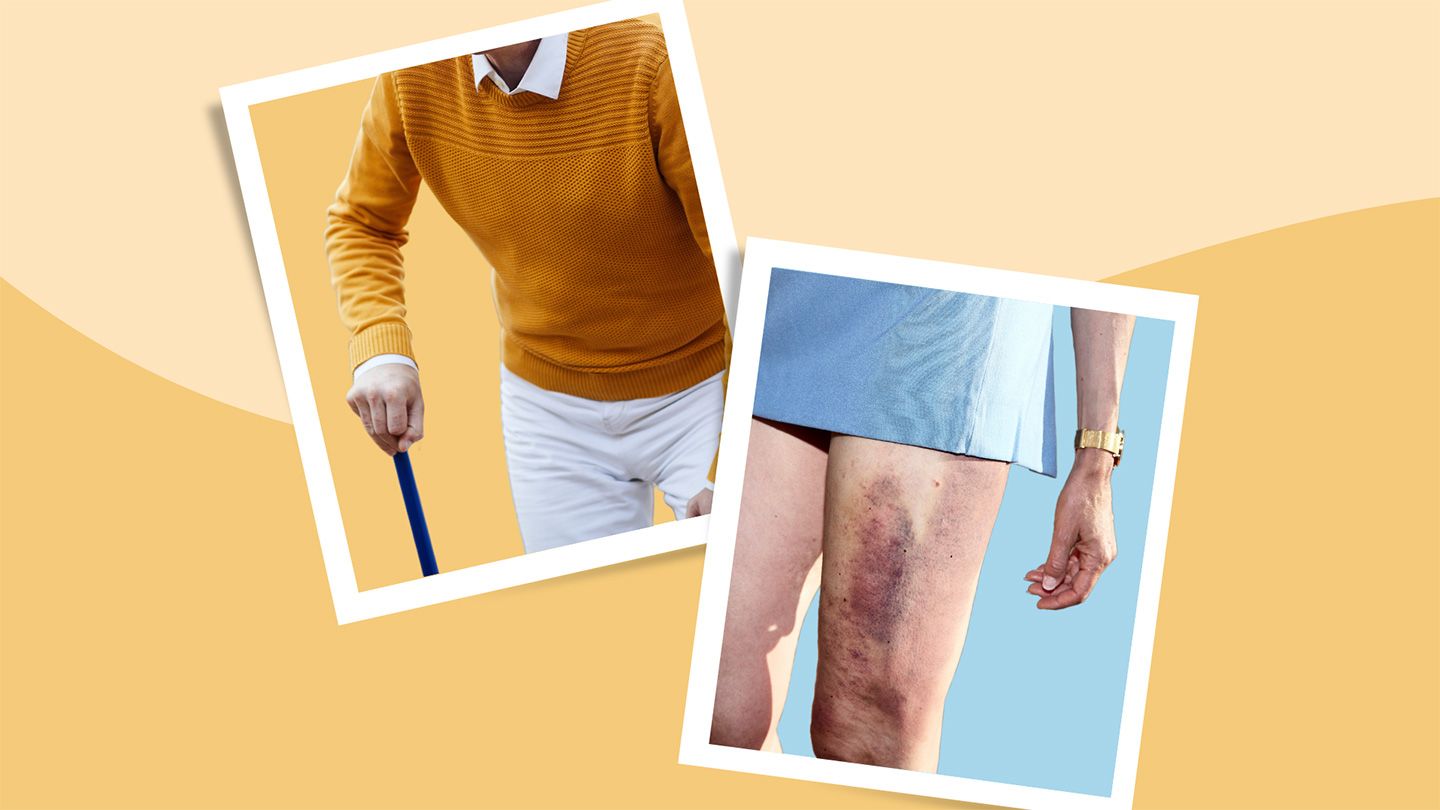
Learn about the causes, symptoms, diagnosis and treatments for a pinched hip flexor. Get tips to relieve pain and exercises to recover normal hip function....