How Humidity Levels Can Affect Sinus Pressure
Having clogged or inflamed sinuses is an unpleasant condition that can cause significant discomfort and pain. One of the most common symptoms associated with sinusitis is increased sinus pressure. This uncomfortable pressure is often described as feeling like your head is full or heavy.
There are many different factors that can contribute to increased sinus pressure, including colds, allergies, anatomical factors, and environmental conditions. One environmental factor that is sometimes overlooked is indoor air humidity levels. Research has shown that proper humidity levels can have a positive impact on sinus health, while low or high humidity can aggravate sinus symptoms.
How Does Humidity Affect Your Sinuses?
To understand how humidity levels impact sinus pressure, it helps to understand the role of mucus in your sinuses. Your sinuses are lined with a mucus membrane that works to moisten and protect these hollow air spaces. Tiny, hair-like structures called cilia sweep mucus through your sinuses, helping to trap dust, bacteria, and other particles before they can cause infection and inflammation.
This mucus depends on adequate moisture in order to flow freely. When humidity levels drop very low, as they often do in colder winter months when heating systems are running, your mucus can lose moisture and become thicker. Thicker mucus impairs the cilia's ability to sweep it along smoothly, allowing mucus and particles to accumulate in your sinuses.
On the other hand, very high humidity can also have negative effects by promoting excess mucus production. This can occur during summer's hot, humid weather in some regions. Excessive mucus can clog sinus passages and may promote inflammation.
Research on Humidity and Sinus Health
Some research studies have helped confirm the relationship between humidity and sinus pressure:
- A study published in the European Archives of Oto-Rhino-Laryngology found that patients who used a bedroom humidifier for 2 weeks had improved mucus flow from the sinuses and decreased stuffiness, along with reduced reliance on medications like antihistamines and decongestants.
- Another study published in the journal Indoor Air looked at indoor humidity in the winter and found that offices with very low humidity had more employee complaints of sinus congestion, dry eyes, and dry throats.
- Researchers writing in the journal Immunology and Allergy Clinics of North America stated that low humidity coupled with cold winter temperatures can worsen chronic sinusitis symptoms. They recommend humidity levels between 35% and 50% for optimal sinus health.
Therefore, maintaining proper humidity levels, especially during colder winter months, can be an important component of easing sinus pressure and congestion.
Using a Humidifier for Sinus Relief
During the winter heating season, indoor air can become extremely dry. This low humidity dries out your sinus cavities and impairs normal mucus function. Running a humidifier can be an excellent way to counteract the effects of dry heat and prevent increased sinus pressure.
There are two main types of humidifiers to consider:
- Warm mist humidifiers - These humidifiers work by heating water and releasing warm mist into the air. The moisture evaporates, raising humidity levels in the room. Warm mist humidifiers can quickly increase room humidity.
- Cool mist humidifiers - These humidifiers do not heat the water, but instead use filters, wicks, or ultrasonic vibration to produce a cool, fine mist. Cool mist humidifiers work well to boost humidity but do not warm the air.
Some tips for using a humidifier to ease sinus pressure:
- Choose a humidifier that is sized appropriately for the room you will use it in. Follow the manufacturer's instructions for proper coverage guidelines.
- Place the humidifier near your bed to maximize relief overnight.
- Make sure to keep the humidifier clean according to directions and change water daily to prevent growth of bacteria and mold.
- Use a hygrometer (humidity gauge) to monitor the humidity level and adjust the humidifier output accordingly. Ideal humidity for sinus health is between 35%-50%.
- Run the humidifier whenever you have the heating system on during cold weather. This may be 24/7 during the coldest parts of winter when the air is extremely dry indoors.
Tips for Easing Sinus Pressure by Adjusting Humidity Levels
While using a humidifier is the most effective way to boost humidity indoors, you can also take some other steps to regulate humidity levels to help your sinuses:
- Sleep with a humidifier in your room, but turn off any heating units that dry the air at night.
- Open blinds and curtains during the day to allow moisture from sunlight to come into your home.
- Cook meals in your kitchen and let the natural steam humidify the home.
- Set bathroom and kitchen exhaust fans to run for only a short time after showering or cooking.
- Place bowls of water near heating vents so the air picks up some of the evaporating moisture.
- Keep large pans of water on wood stoves or radiators.
- Get a houseplant or two - plants help increase indoor humidity through their natural transpiration.
When to See a Doctor About Sinus Pressure
While adjusting humidity levels may help ease some minor sinus pressure and congestion, persistent or severe sinus pain should be evaluated by your doctor. Seek medical care if you experience:
- Sinus pain and pressure lasting longer than 10-14 days
- Severe headaches affecting your daily activities
- Thick yellow or green nasal discharge
- Fever over 101 F (38 C)
- Swelling around the eyes
- Vision changes or eye pain
You should also talk to your doctor if you have frequent bouts of sinusitis or if your sinus symptoms do not improve with humidity adjustment. Chronic sinus issues may require prescription medication or surgery to open blocked sinus passages.
The Bottom Line
Indoor air that becomes too dry during colder weather can lead to thicker sinus mucus that obstructs normal drainage. This can increase pressure and cause pain. Boosting humidity levels with a humidifier is an easy, safe way to ease sinus congestion and discomfort during winter months or in dry climates. Along with medical care when needed, maintaining proper humidity can provide natural, drug-free relief of sinus pressure and stuffiness.
FAQs
How does low humidity affect your sinuses?
Low humidity caused by indoor heating can dry out your sinus cavities. This causes the mucus membranes to lose moisture, and mucus can become thicker as a result. Thick mucus prevents the cilia from sweeping mucus through the sinuses properly, leading to congestion.
What is the ideal humidity level for sinus health?
Research indicates that maintaining indoor relative humidity between 35-50% is ideal for sinus health. This helps keep mucus membranes properly moisturized so mucus can flow freely.
What type of humidifier is best for sinuses?
Both warm mist and cool mist humidifiers can provide sinus relief. Warm mist humidifiers add moisture and also provide extra comfort from the warm vapor. Cool mist humidifiers don't heat the air but work well to raise humidity levels.
Where should you place a humidifier for best results?
Placing a humidifier in your bedroom and running it overnight while you sleep can maximize relief from sinus congestion. The moisture can ease nighttime stuffiness and discomfort.
When should you see a doctor for sinus pressure?
See your doctor if sinus pressure and congestion persists longer than 10-14 days, you have severe headaches or eye pain, or are experiencing thick discolored discharge, swelling, fever over 101°F, or vision changes. Chronic sinusitis may require medical treatment.
Disclaimer: This article is for informational purposes only and does not constitute medical advice. Always consult with a healthcare professional before starting any new treatment regimen.
Related Coverage

Get the scoop on the calorie, protein, iron and nutrient content of chicken gizzards. See how cooking method impacts calories and the best ways to enjoy gizzards on a diet....
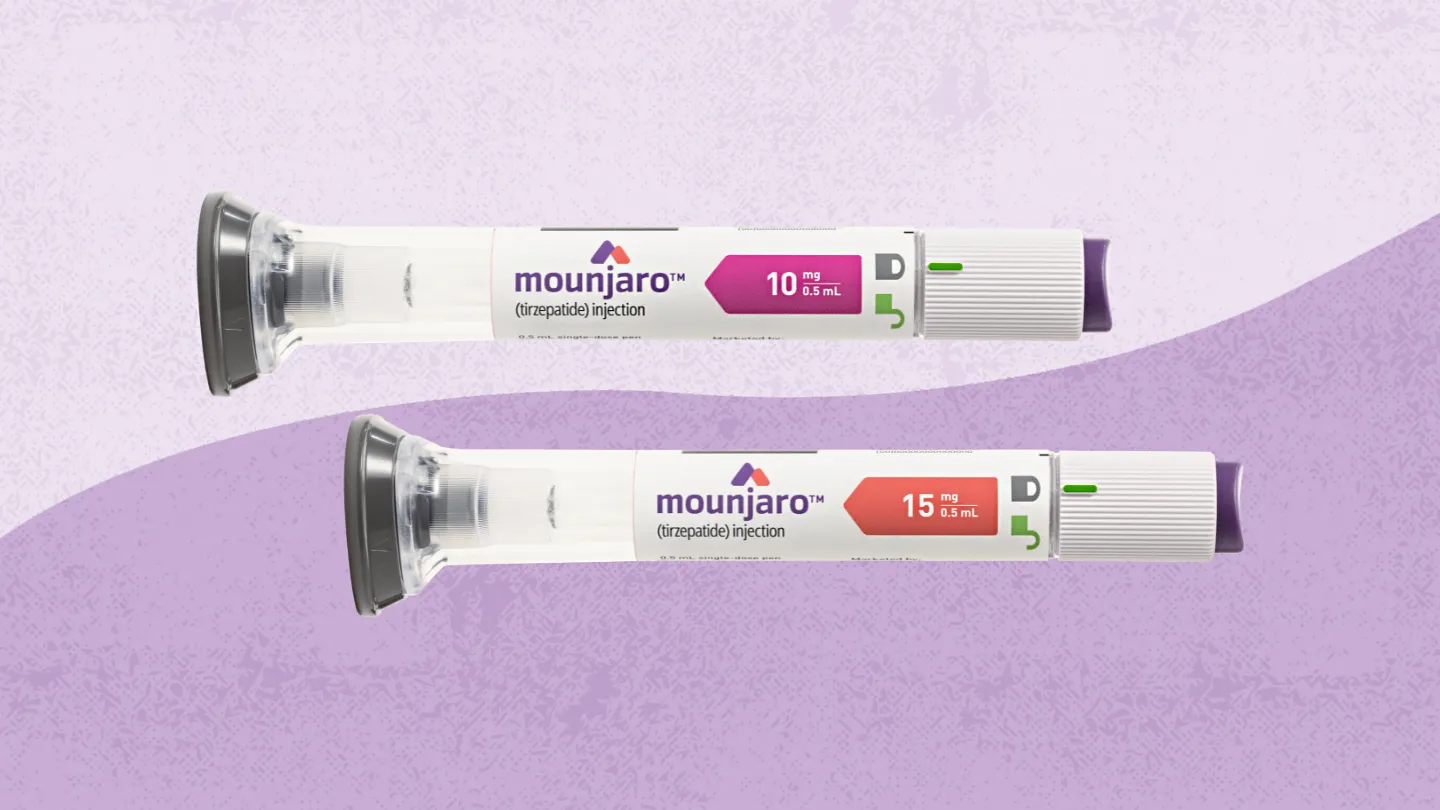
The new prescription medication Mounjaro is leading to substantial weight loss based on clinical trials and real-world use. See how it works and view dramatic before and after pics....

Enjoy keto-friendly cookouts with these delicious low carb side dishes like zucchini skewers, cauliflower rice, coleslaw, dips, and fresh veggie salads....

Create resilient relationships by building trust, having compassionate communication, and doing the work to grow together when challenges inevitably arise....

April's showers and nature's rebirth make it the ideal season for cleansing clutter, setting intentions, restoring work-life balance and focusing inward to nourish body, mind and spirit....

Sweet tea contains a moderate amount of caffeine from its black tea base. Learn about sweet tea's caffeine content, health effects, and tips for drinking it safely....

From cough-induced muscle cramps to nausea, hacking away can really upset your stomach. Discover tips to soothe your belly using meds, home remedies, diet, and more....

The Alpilean Ice Hack diet went viral on TikTok, but does drinking icy water truly burn calories and boost metabolism? Uncover the science and safety behind this trend....

Alpha-gal is a red meat allergy caused by tick bites. Learn what foods to avoid and safe foods to eat with this condition, plus tips for managing alpha-gal syndrome....

Learn why some mosquito bites cause bruises and hives, how to identify symptoms, home treatment options, when to seek medical care, and preventive measures....