Exploring Cereal Milk Alternatives for Lactose Intolerance
Milk and cereal go together like peas and carrots, but for those with lactose intolerance, regular dairy milk can cause unpleasant gastrointestinal symptoms. Thankfully, there are many nutritious and delicious cereal milk alternatives available.
In this comprehensive guide, we'll discuss what lactose intolerance is, the challenges it presents for cereal lovers, and how non-dairy milks can ensure you don't miss out on that classic cereal flavor.
What is Lactose Intolerance?
Lactose intolerance is a common condition where people lack sufficient amounts of lactase, the enzyme needed to properly digest lactose - the natural sugar found in dairy milk. When lactose travels through the digestive system undigested, it can lead to symptoms like:
- Bloating
- Gas
- Abdominal cramps
- Diarrhea
The severity of symptoms can vary from person to person. Some have mild intolerance and can consume small amounts of dairy without issue. For others, even a sip of regular milk can trigger digestive unrest.
The Cereal and Milk Dilemma
For lactose intolerant cereal fans, finding a milk substitute that delivers the same creamy texture and flavor can be challenging. Water just doesn't cut it. And while some plant-based milks work well in coffee, they don't always pair so nicely with your favorite breakfast cereal.
The good news is that alternatives DO exist. Let's take a look at what to avoid, and some smart swaps to pour over your morning bowl of cereal.
Milks to Avoid
First, let's go over which milk varieties are off the menu when you're lactose intolerant:
Cow's Milk
All forms of dairy cow's milk contain lactose. So regular cow's milk, reduced fat, skim, and flavored milks won't work for those with lactose intolerance.
Goat's Milk
While easy to digest, goat's milk contains lactose and should also be avoided.
Evaporated and Condensed Milk
Ingredients like evaporated and condensed milk are made by removing water from regular cow's milk. So the lactose remains, despite the change in texture and consistency.
Buttermilk
Despite the name, buttermilk is a fermented dairy milk. The lactose content is reduced during the fermentation process, but not eliminated.
Whey and Whey Protein Powder
Dairy whey, the liquid part of milk that separates during cheese production, contains lactose. Whey powders and proteins are common in protein shakes and snack bars.
Non-Dairy Milk Options
Now that we know what to avoid, let's uncover some smart cereal milk alternatives for the lactose intolerant crowd!
Soy Milk
Soy milk has a creamy, "milk-like" consistency that makes it one of the most popular replacements for cow's milk. With added vitamins and minerals, soy milk offers a nutritious way to get your cereal fix. Opt for unsweetened varieties.
Almond Milk
Another top choice is almond milk. Choose unsweetened almond milk and give it a good shake before pouring to distribute the almond solids. The nutty flavor pairs nicely with cereals like granola or muesli.
Coconut Milk
For a touch of natural sweetness, coconut milk is a tasty choice. Just be mindful that full-fat coconut milk can be very thick. Opt for lite versions or use full-fat coconut milk sparingly.
Cashew Milk
If you like a rich, creamy base for cereal, give cashew milk a whirl. It's naturally thick and may remind you of half-and-half. Like nut milks, be sure to shake the carton before pouring.
Oat Milk
With oats being a common cereal ingredient, oat milk makes a fitting choice. It has a mild oat-y, cereal-like flavor. Just check labels as some brands add small amounts of regular cow's milk.
Hemp Milk
For a super seed-y taste, hemp milk brings nutrition from hemp seeds. It has a globby, thick texture requiring a good shake before pouring. The earthy flavor pairs well with cereal mixes featuring nuts and dried fruit.
Rice Milk
If you want something light, mild, and not too sweet, rice milk can be a good option. It has a characteristic watery consistency, so it may not be creamy enough for some cereal lovers.
Tips for Choosing a Milk Alternative
With so many non-dairy milk options on the market, choose wisely based on your needs:
- Check the label: Ensure it's 100% free of milk/dairy ingredients.
- Consider flavor: Complementary flavors enhance cereal enjoyment.
- Mind thickness: Will it evenly coat your cereal? Watery milks may pool at the bottom.
- Add extras: Mix in cocoa powder, cinnamon or maple syrup for extra flavor.
- Fortify as needed: Choose fortified milks or supplement with calcium and vitamin D.
Homemade Milk Alternatives
Don't forget you can also easily whip up homemade versions of non-dairy milks. This allows you to control the ingredients:
DIY Nut Milks
For a basic recipe, blend 1 cup raw nuts like almonds, cashews or walnuts with 4 cups water. Add vanilla, dates or maple syrup for sweetness. Strain the solids and voila!
DIY Oat Milk
Blend 1 cup rolled oats with 4 cups water and strain. Use less water for thicker milk. Customize with cinnamon or a touch of honey.
DIY Coconut Milk
Mix 1 cup shredded coconut with 2 cups hot water. Allow to steep for 5 minutes before straining out the coconut solids.
Lactose-Free Dairy Milk
If you're lactose intolerant but really miss the taste of cow's milk, lactose-free dairy milk is a handy option. These contain added lactase enzymes to help digest remaining milk sugars. Just note they're often more expensive than regular milk.
Avoid Sweetened "Milk" Drinks
Also beware of dairy-free "milk" drinks that are loaded with added sugars and other unwanted ingredients. These may be marketed as healthy, but often resemble soda. Be a label detective and choose plain, unsweetened varieties as much as possible.
Recipes with Cereal Milk Swaps
Now for the best part - enjoying your favorite cereals with new dairy-free milks! Here are a few recipe ideas:
Overnight Oats
For creamier overnight oats, try using a thicker milk like soy or cashew. Let the oats soak up the moisture as they soften overnight. Top with fresh fruit in the morning.
Chia Pudding
Chia seeds create a fun tapioca-like texture in pudding. Almond milk and coconut milk pair beautifully. Top with sliced bananas or berries.
Granola Fruit Parfaits
Layer your crunchy homemade granola with soy or oat milk and fresh berries in a tall glass. Top with shredded coconut for a cherry on top.
Superfood Smoovies
Blend up a super-charged "smoovie" with hemp milk, spinach, peanut butter, bananas, cocoa powder and your favorite cereal. Freeze banana slices first for a thick, milkshake-like treat.
Cereal Snack Mix
Toss cereals like rice squares, wheat puffs or flaked quinoa with nuts and dried fruit. Sprinkle on some spice like cinnamon or pumpkin pie spice for flavor without added sugar.
Additional Tips for the Lactose Intolerant
Finding a replacement for cereal milk is just one part of managing a lactose intolerance diet. Here are some additional tips:
- Read all labels carefully to spot hidden dairy ingredients like whey or casein
- Choose naturally dairy-free foods like fruits, vegetables, beans, nuts, seeds, eggs, meat and fish
- Experiment with non-dairy versions of products like yogurt, ice cream and butter
- Check medications and supplements for hidden lactose fillers
- Carry emergency lactase enzyme tablets when dining out
- Communicate with friends and family to help them understand your dietary needs
While limiting dairy takes some adjustment, you'd be surprised just how delicious an lactose-free diet can be. With some creativity and the wide range of non-dairy alternatives available today, you can still enjoy all your favorite foods and flavors.
We hope this guide gave you plenty of tips for choosing the best cereal milk alternatives to start your day off happy even with lactose intolerance. Just remember - labels are your friend. And don't be afraid to experiment until you find your perfect dairy-free match!
FAQs
What milk alternatives work best with cereal?
The best cereal milk alternatives are unsweetened soy, almond, oat, hemp and cashew milk. Avoid watery milks like rice or coconut milk which don't have enough richness. Nut milks in particular provide creamy texture and flavor.
Is lactose-free milk okay for lactose intolerance?
Lactose-free dairy milk has added enzymes to help digest lactose sugars. This allows some people with mild intolerance to enjoy it without issues. However, others still react to the milk proteins. Try it in small amounts to see if you tolerate it.
Can I make my own non-dairy milks?
Yes, making your own nut, oat or coconut milk is simple and affordable. Just blend the base ingredient with water, strain the solids, and customize flavors as desired. Homemade allows control over ingredients.
What about creamers for coffee?
Many non-dairy creamers contain casein or other milk derivatives, so check labels carefully. Better options are coconut creamer or making your own "creamer" from vegan milk and coconut oil or nuts.
Is lactose intolerance the same as a dairy allergy?
No, lactose intolerance only involves a reaction to milk sugars. A dairy allergy is when the immune system identifies milk proteins as harmful. Those with dairy allergy must avoid all dairy, while lactose intolerant people can often have small amounts.
Disclaimer: This article is for informational purposes only and does not constitute medical advice. Always consult with a healthcare professional before starting any new treatment regimen.
Related Coverage

Discover the best non-dairy cereal milk options for lactose intolerance including soy, almond, coconut, oat, cashew, hemp and rice milk plus recipes and diet tips....

Does buffalo mozzarella contain lactose? Learn about lactose in cheeses and discover low lactose dairy and vegan cheese substitutes for a lactose intolerance diet....
For those avoiding dairy, delicious plant-based alternatives abound. Learn about nutritious and tasty soy, nut and coconut milks, cheeses, yogurts, ice creams....

Learn about the lactose content in different types of goat cheese and goat milk. Get tips for including goat cheese in a low-lactose or lactose-free diet....
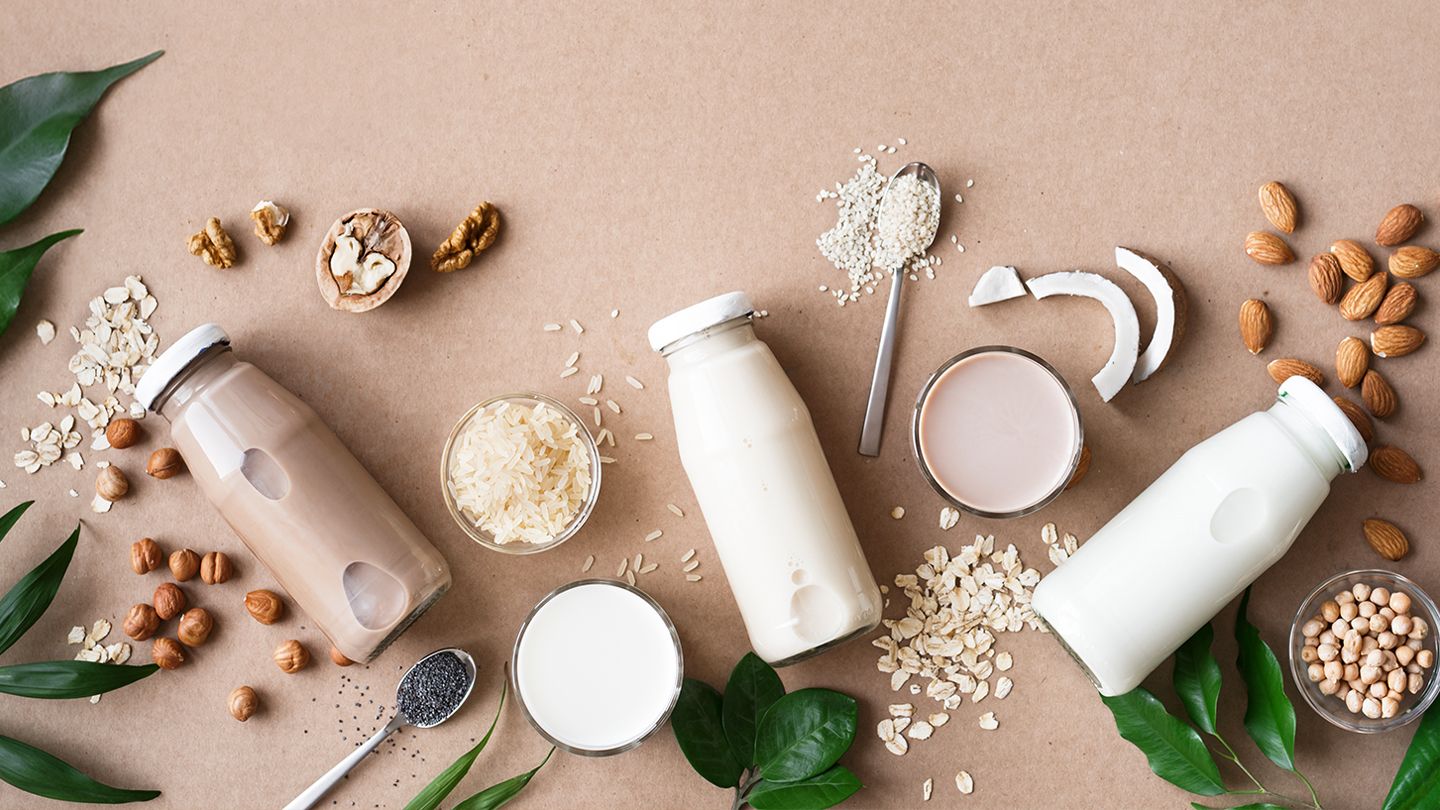
If you have lactose intolerance, eliminating dairy can lead to nutritional gaps. Learn about the best milk substitutes, supplements to fill shortfalls, and how to eat dairy-free....
The latest statistics on the UK construction industry show growth overall but ongoing challenges with skills shortages and rising costs. The sector grew by 2.8%....
Want to know if you can eat buffalo mozzarella cheese on a lactose-free diet? Learn about the lactose content of buffalo mozzarella and how to add it to low lactose recipes....

Goat cheese contains less lactose than regular cow's milk cheese, but isn't fully lactose-free. However, well-aged hard goat cheese contains almost no lactose....
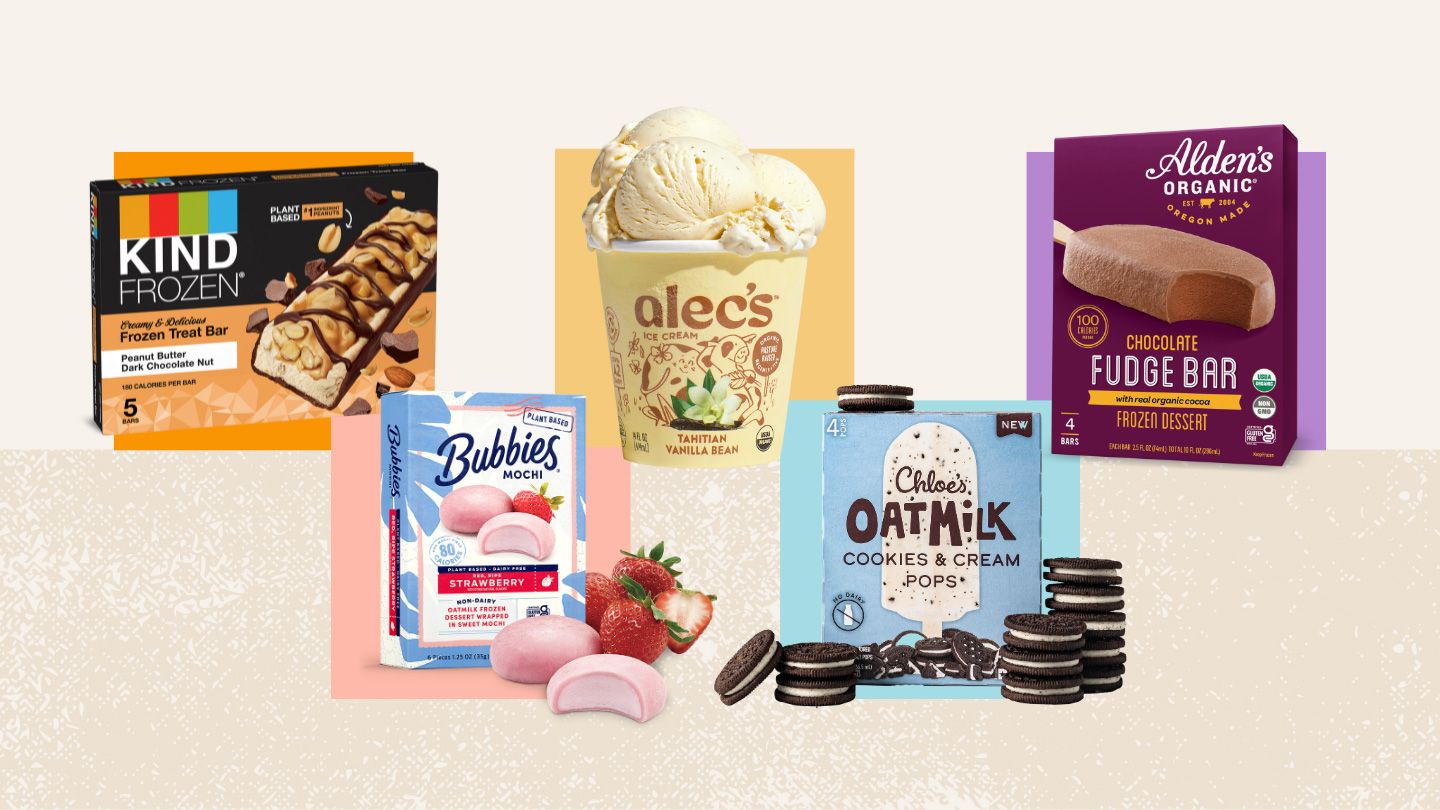
Sherbet contains some dairy, but can often be dairy-free. Explore the ingredients in sherbet, nutrition facts, health benefits, tips for eating, and recipes....
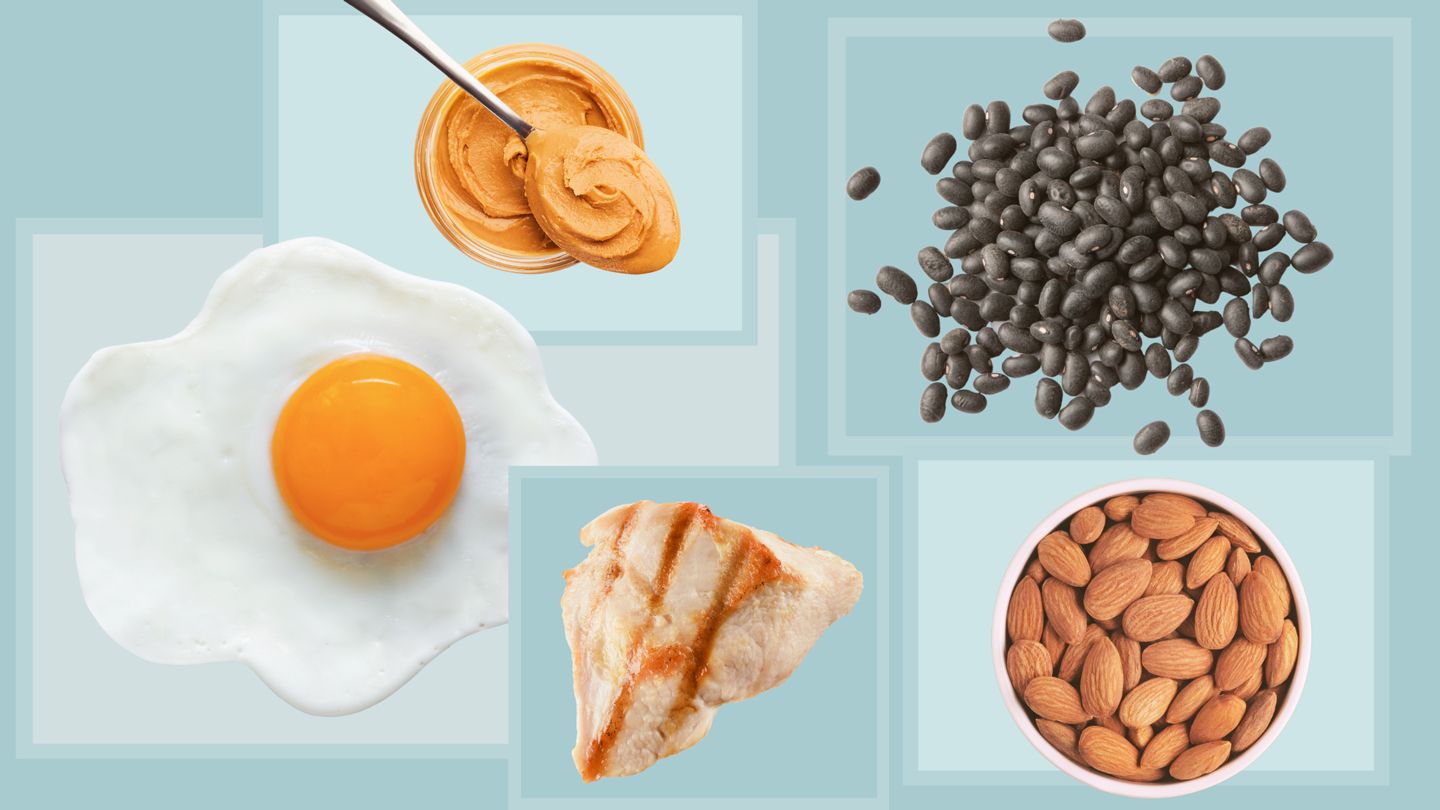
Find the top lactose-free protein foods including tofu, beans, nuts, seeds, eggs and dairy-free protein powders to add to your low lactose diet....